
Bohemian Style Furniture: A Complete Home Guide

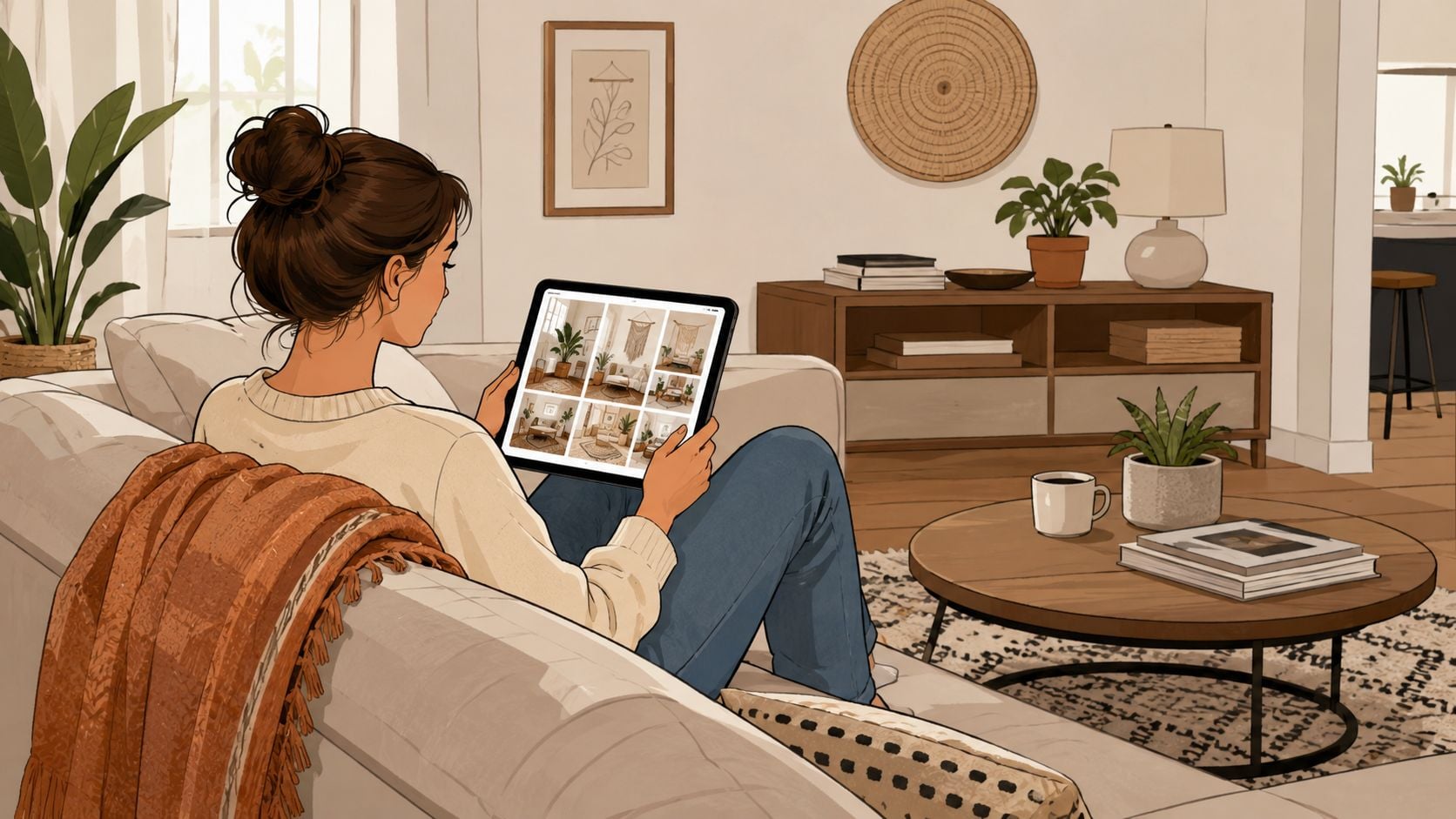
A homeowner can spend an evening saving bohemian room photos, then look around the family room and wonder how any of it would survive muddy shoes, pets, toys, and ordinary weekdays. The relaxed colors and woven textures feel welcoming, but too many patterns and accessories can make a practical home feel crowded.
That's where curated bohemian style furniture, sometimes called Slow Boho, makes sense. The approach keeps the artistic character of boho design while giving priority to durable anchor pieces, useful storage, comfortable seating, and materials that can age gracefully. It's a better fit for first-time homeowners and growing families who want a collected room, not a chaotic one.
A thoughtful room can still feel personal without filling every surface. Ideas such as these sacred art placement ideas can also help homeowners place meaningful artwork and objects with intention. The guidance below covers history, materials, room layouts, durability, budgeting, and care, so each purchase has a clear purpose.
Why Bohemian Style Furniture Feels Like Home
A family may begin with one inviting piece, perhaps a deep sofa in a warm neutral, then build around it with a woven chair, a textured rug, and a coffee table with visible wood grain. The room feels relaxed because the materials vary, but it still works because the largest pieces establish order. That balance captures the most useful side of bohemian style furniture.
Traditional maximalist boho can encourage abundant patterns, colors, baskets, art, and collected accessories. Slow Boho takes the same expressive spirit and edits it. Instead of buying every decorative item that catches the eye, homeowners choose a few pieces with strong texture, useful scale, and lasting comfort.
A collected look needs breathing room
Mismatched furniture can feel connected when the room repeats a material, color family, or finish. For example, a natural wood table can relate to a cane chair through warm undertones, while a patterned rug can echo a small color in the pillows. Empty space between those elements keeps the arrangement from becoming visually noisy.
Practical rule: Start with one or two anchor pieces, then add texture only where the room needs more warmth or softness.
This approach also helps with household budgets. A quality sofa, bed, or dining table deserves more attention than a collection of small accessories that may be replaced quickly. Families can add baskets, throws, art, and accent tables gradually as the room reveals what it needs.
The style's commercial growth reflects that broad appeal. One forecast values the worldwide bohemian boho decor segment at $20.00 billion in 2025 and projects $30.07 billion by 2032, with a 6.0% CAGR, as reported in this bohemian boho decor market forecast. The numbers matter less to a homeowner than the practical lesson: boho furniture now appears across many price and construction levels, so careful comparison is essential.
The History and Hallmarks of Bohemian Design
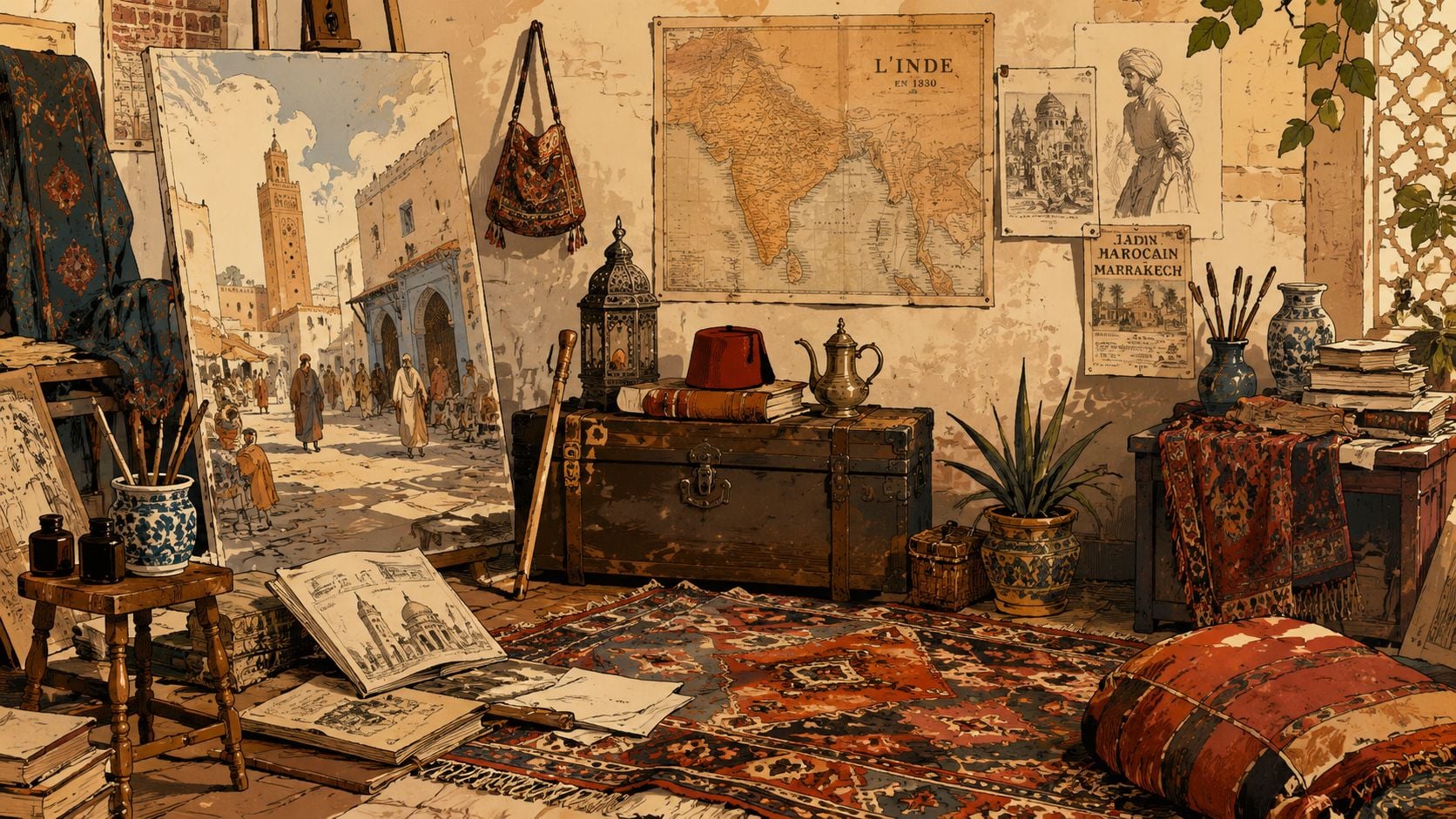
Bohemian design began as a cultural attitude before it became a decorating category. The term emerged in 19th-century Paris, France, among artists, writers, performers, and other free thinkers who rejected bourgeois expectations and valued creativity over wealth, as described in this history of bohemian style furniture.
That background explains why bohemian rooms rarely depend on matching sets. The style grew from personal expression, travel, craft, and objects gathered for meaning rather than strict coordination. Later references connect its broader revival with 1960s and 1970s boho and hippie aesthetics, while contemporary interiors reshaped the look for modern homes. A useful historical overview also describes the later development of “boho chic” in the 2000s in this guide to bohemian design.
The materials create the mood
Common materials include rattan, bamboo, cane, reclaimed wood, cotton, linen, and jute. Rattan and wicker make a room feel open and lightweight, while solid wood or engineered wood provides stiffness and support. Furniture designed for the look may combine solid wood, veneer, and engineered wood to balance appearance, durability, and affordability, according to this overview of bohemian furniture materials.
The hallmarks are easy to recognize:
- Organic surfaces: Look for visible grain, woven panels, low-gloss finishes, and natural fibers.
- Layered textiles: Kilim or Moroccan-inspired rugs, embroidered pillows, macramé, linen, and fringe add dimension.
- Collected color: Earth tones can sit beside jewel tones or faded global patterns without requiring exact matches.
- Distinctive silhouettes: Peacock chairs, low-slung sofas, carved coffee tables, and woven cabinets give the room character.
- Personal objects: Art, baskets, travel-inspired pieces, and handmade-looking accents make the space feel lived in.
Bohemian, boho-chic, and modern boho overlap, but they aren't identical. Traditional bohemian design is more relaxed and richly layered. Boho-chic keeps the eclectic foundation but often feels more polished. Modern boho pairs woven and natural elements with cleaner lines, quieter colors, and less visual abundance. Homeowners who prefer a restrained room may find modern boho or Slow Boho easier to live with.
For help choosing a color direction before furniture arrives, Guynn's guide to creating the perfect color palette can provide a useful starting point.
Room by Room Bohemian Styling Ideas
The easiest way to furnish a bohemian home is to begin with the room's main function. A family room needs dependable seating and clear walking paths. A bedroom should feel restful. A dining space needs sturdy surfaces and comfortable chairs. Texture supports each purpose, but it shouldn't interfere with daily use.
Living room
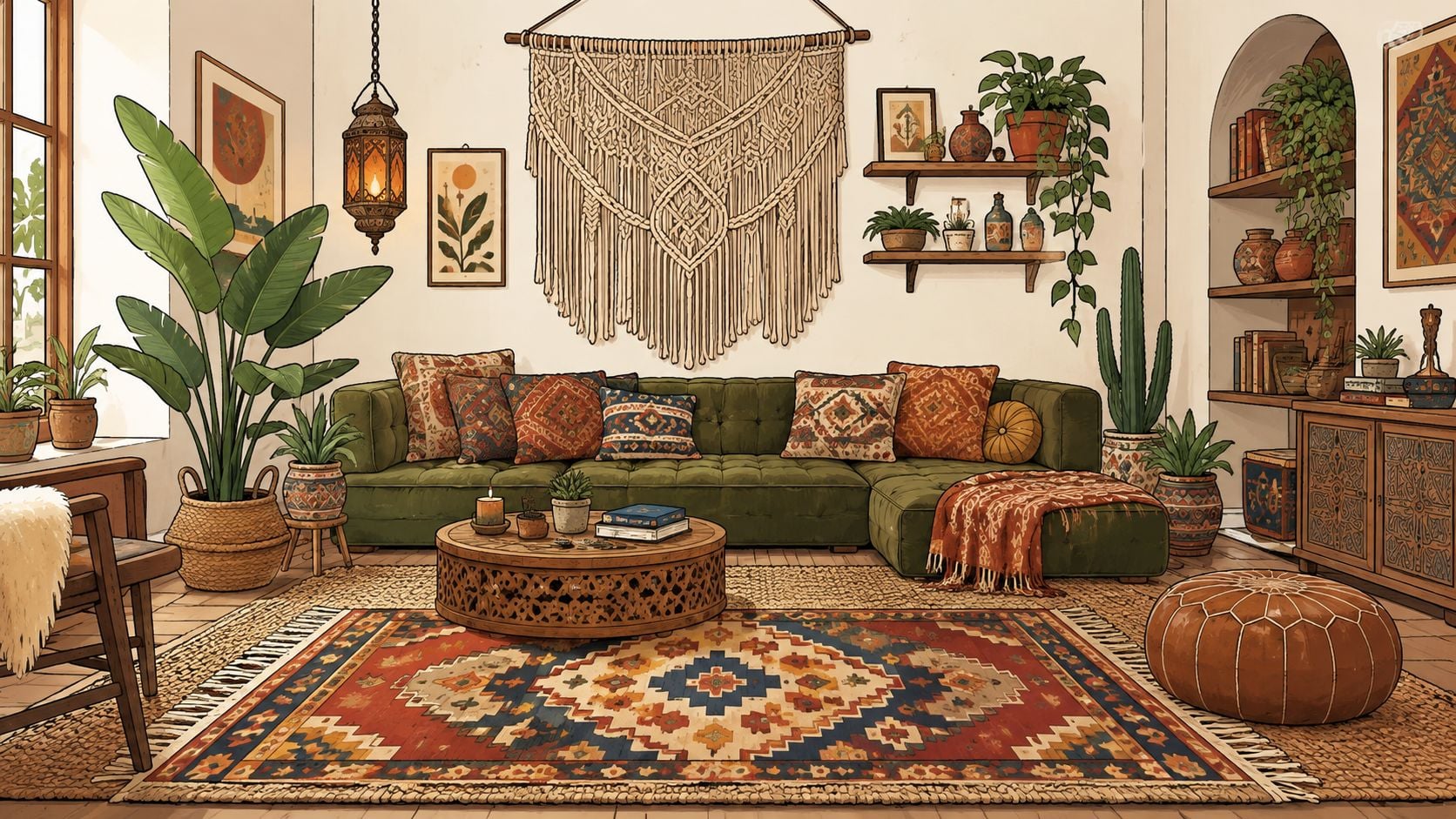
A low-profile linen or velvet sofa can serve as the visual anchor. Add a jute or kilim rug beneath the seating group, then bring in a rattan accent chair, a floor pouf, and pillows with different surface qualities. The arrangement feels richer when the rug, upholstery, and woven accent don't all have the same pattern scale.
A useful texture combination might include:
- Woven: A rattan chair, basket, or cane-front cabinet.
- Soft: Linen, velvet, cotton, or a nubby throw.
- Grounding: Jute, wood, leather, or a matte ceramic accent.
Homeowners can find more ways to use greenery with houseplants that complement new furniture. Plants work especially well beside natural furniture, but a few well-placed containers usually look calmer than a plant on every surface.
Bedroom
Choose a carved wood or upholstered bed frame first. Layer bedding in earthy tones, add a woven headboard or textile wall hanging, and use bedside tables made from wood, cane, or another natural material. A single patterned blanket can provide personality without competing with the bed.
Dining area
A solid wood table gives the room a stable center. Mismatched chairs can work beautifully when they share a visual connection, such as cane backs, leather seats, or a similar wood tone. A woven pendant overhead adds another texture while keeping the table area distinct.
Office and outdoor spaces
A rattan desk paired with textured storage baskets can make a home office feel warm without sacrificing organization. Outdoors, wicker seating and colorful cushions carry the same relaxed spirit, provided the fabrics and finishes suit the location.
The rule of three textures helps each room feel layered but edited. After choosing the anchor pieces, the homeowner should step back and remove anything that blocks movement, hides useful surfaces, or repeats a pattern without adding function.
Mixing Bohemian Furniture with Other Styles
Bohemian furniture doesn't have to control an entire room. One carefully selected piece can soften a stricter design language and add warmth without making the space feel themed.
A modern room provides a clear example. A minimalist sofa can remain the dominant form, while bohemian pillows, a macramé wall hanging, or a rattan side table introduce softness. The clean sofa gives the woven details room to stand out.
Three pairings that stay cohesive
Modern with boho: Keep the major upholstery simple, then use one patterned textile and one organic accent. Repeating a warm neutral between the rug and wood finish helps the styles relate.
Rustic with boho: A farmhouse-style wood dining table pairs naturally with rattan chairs. The table supplies visual weight, while woven seating keeps the arrangement from feeling heavy.
Traditional with boho: A wingback chair can take on a more relaxed character through a globally inspired textile. The familiar silhouette remains traditional, but the fabric changes the mood.
The 70/30 rule offers a practical proportion. Let one style occupy most of the room, then allow the secondary style to appear through furniture, textiles, and accessories. A traditional room with a boho chair and woven lamp can feel intentional. A room split evenly among several strong styles may feel unsettled.
For homeowners working with multiple patterns, this guide to mixing patterns and finding balance offers useful coordination principles.
Common mistakes are usually easy to correct:
- Too many bold patterns: Keep one pattern dominant and make the others quieter.
- Competing wood tones: Repeat one finish or place different tones in separate visual zones.
- Uneven proportions: Pair a substantial sofa with a properly scaled coffee table and grounded rug.
- Accessories without purpose: Remove pieces that don't support comfort, storage, lighting, or personal meaning.
Choosing Durable Boho Pieces for Families and Pets
Natural materials can look delicate without being fragile. The important distinction is construction quality, weave tightness, upholstery performance, and how the piece will be used.
Rattan and wicker offer an open, organic appearance, but tightly woven surfaces are generally a better choice in homes with active pets than loose cane weaves. Solid wood works well for tables and case goods because it provides visual weight and a sturdy base. Performance linen, performance velvet, and indoor-outdoor fabrics can preserve the soft boho appearance while making spills easier to manage.
Boho Material Durability Comparison for Families
| Material | Durability Rating | Stain Resistance | Pet-Friendly | Best Use Case |
|---|---|---|---|---|
| Tightly woven rattan | Good | Limited | Better for calmer pets | Accent chairs and cabinet doors |
| Loose cane | Moderate | Limited | Less suitable for scratching pets | Decorative panels and occasional seating |
| Solid wood | High | Good with proper finish | Good | Dining tables, coffee tables, and storage |
| Performance linen | Good | Better than untreated linen | Good with routine care | Sofas and upholstered chairs |
| Performance velvet | Good | Good | Good when regularly maintained | Deep seating and accent chairs |
| Jute | Moderate | Limited | Variable | Low-traffic decorative rugs |
| Indoor-outdoor fabric | High | Good | Good | Family seating and outdoor rooms |
The frame deserves as much attention as the covering. Shoppers should ask about kiln-dried hardwood, reinforced corners, secure joinery, removable covers, and washable components. Dovetail joints can be valuable in drawers, while properly supported frames matter in seating that receives daily use.
For pet households: A beautiful jute rug may not be the practical choice if a cat scratches at loose fibers. A tightly constructed, easier-care alternative can preserve the earthy look with less frustration.
A room-by-room checklist for kid-friendly and pet-friendly furniture can help families compare appearance with real household demands. The right investment usually goes into the sofa, bed, dining table, and other pieces that carry weight every day. Decorative baskets and small tables offer more flexibility.
Smart Buying and Budgeting for Bohemian Furniture
A bohemian room doesn't need to arrive fully finished. A better plan starts with the pieces that affect comfort and function, then adds character over time.
Begin with the anchors
The sofa, bed frame, dining table, and primary storage pieces establish scale. Before shopping, households should measure the room, note doorways and stair access, and decide which activities the furniture must support. A deep sectional may suit a movie-focused family room, while a smaller sofa with movable chairs may work better in a room that hosts conversation and gatherings.
Use this order of priorities:
- Function first: Choose seating, sleep support, dining capacity, or storage based on actual routines.
- Construction second: Compare frame materials, joinery, upholstery, hardware, and finish quality.
- Style third: Select the weave, color, wood tone, or silhouette that gives the room its bohemian identity.
- Accessories last: Add baskets, throws, ceramics, pillows, and wall art after the main arrangement works.
Engineered materials aren't automatically poor choices. They can make a piece more accessible while maintaining the layered appearance associated with boho furniture. Solid wood may be worth prioritizing for a heavily used dining table or coffee table, while a secondary accent piece can serve as a place to use a more modest construction.
Keep value visible
A local showroom can let shoppers sit on a sofa, open drawers, inspect woven details, and compare finishes before committing. Guynn Furniture & Mattress offers a large in-stock selection for immediate delivery, along with financing options for shoppers who want to spread the cost of a larger purchase. Guynn also matches local competitors and provides a 30-day price guarantee when price is part of the decision.
Seasonal promotions, coordinated room purchases, and versatile pieces can support a gradual plan. A natural wood accent table may move from a living room to a bedroom later, while neutral upholstery can accept new pillows and rugs as the homeowner's taste develops.
For additional preparation, this guide to shopping for furniture smartly can help households organize measurements, priorities, and questions before entering a showroom.
Caring for Natural Bohemian Materials
Natural furniture rewards simple, consistent care. Rattan and wicker should be dusted with a soft brush or vacuum attachment so debris doesn't settle into the weave. Excess moisture can contribute to warping, so damp cleaning should stay light and controlled. Furniture wax or an appropriate conditioner can help prevent drying and cracking when the manufacturer allows it.
Jute, seagrass, and other natural-fiber rugs need regular vacuuming without an aggressive beater bar. Spills should be blotted promptly rather than rubbed, and rotating the rug helps distribute wear. Homes with pets may need a rug with a tighter construction if scratching or snagging is a concern.
Match care to the surface
- Linen upholstery: Blot spots quickly, use gentle cleaning methods, and avoid harsh chemicals. Natural wrinkles are part of linen's relaxed character.
- Reclaimed wood: Dust regularly, apply suitable oil when needed, and protect the surface from prolonged direct sunlight.
- Rattan and wicker: Keep pieces away from excessive moisture and inspect woven areas for loose strands before small problems grow.
- Textured throws and pillows: Follow their care labels and remove covers when washing is permitted.
Before humid summer weather, a household can deep-clean fabrics and check woven furniture for signs of moisture exposure. Before dry winter air arrives, wood and natural fibers may benefit from approved conditioning. Homeowners comparing upholstery options can also review this resource on how to pick upholstery fabrics before selecting a sofa or chair.
The aim isn't to keep every piece looking untouched. Well-cared-for wood, linen, and woven materials can develop the softened patina that makes a bohemian room feel lived in.
How Guynn Furniture Helps You Bring Boho Home
Bohemian furniture becomes easier to choose when shoppers can test comfort, compare materials, and see how pieces relate in person. Guynn's expert design staff, including Debra Williams, can help homeowners plan a cohesive room around available space, lifestyle, and budget. Design support can include room planning, paint guidance, accessory selection, and help coordinating larger furnishings.
The showroom includes options from La-Z-Boy, where Guynn is a Showcase dealer, along with Ashley and Bassett furniture. For comfort-focused households, Sealy and Therapedic mattresses are also available through the sleep center. A family can compare a soft upholstered sofa with woven accents, a natural wood dining table, or a boho-inspired writing desk without relying only on photographs.
Guynn has served local households since 1902, and its service area includes Galax, Independence, Hillsville, and the wider Southwestern Virginia and Northern North Carolina region. Customers within the delivery area receive Free in-home delivery and setup within 60 miles, making larger pieces easier to place safely.
Visit Guynn Furniture & Mattress to explore bohemian style furniture, comfortable anchor pieces, and in-stock options for immediate delivery. Households can visit the showrooms in Galax, Independence, or Hillsville to test the comfort for themselves, or schedule a consultation with the design team to start planning a dream room today.