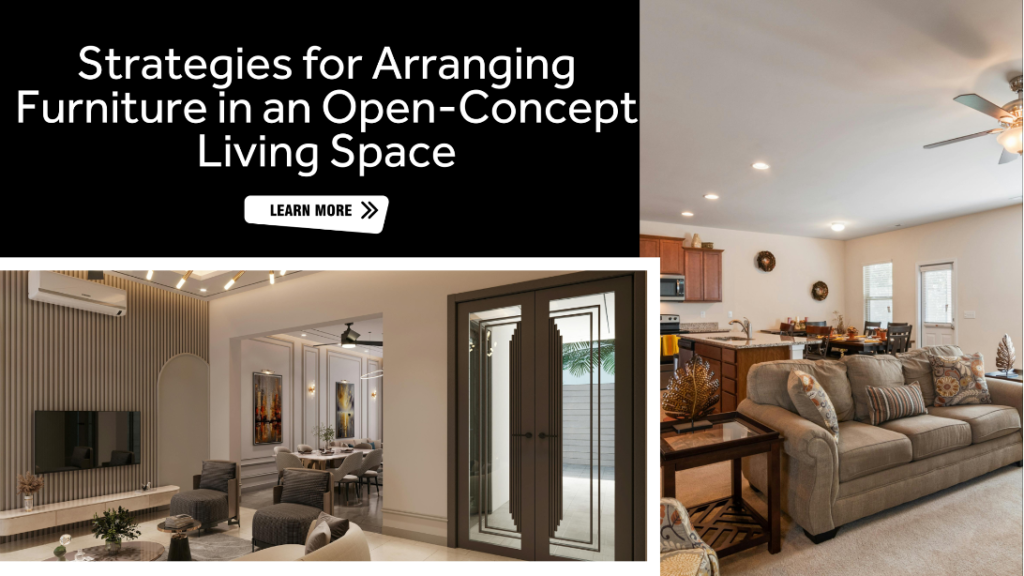
Home Decor Styles That Actually Work for Real Homes


A room can be full of good furniture and still feel somehow wrong. A sofa may be comfortable, a dining table may be useful, and a collection of family pieces may carry plenty of meaning, yet the colors, shapes, and textures don't seem to belong together. This happens often in homes across Galax, Independence, Hillsville, and the wider Southwestern Virginia and Northern North Carolina region, especially when a household has collected furnishings one room at a time.
The answer usually isn't choosing a stricter label. Home decor styles work better as flexible systems than as rules. Color, texture, lighting, and furniture shape give each style its character, while daily routines determine which choices belong in a home. A family with pets needs a different plan from a couple furnishing a quiet retreat, even when both love traditional rooms.
A thoughtful room can blend old and new, soft and structured, practical and beautiful. The following guide shows how to recognize the major styles, combine them without confusion, and choose pieces that support comfort, durability, accessibility, and long-term value.
Standing in a Room That Just Doesn't Feel Right
A homeowner in Hillsville may pause in the living room on a Saturday morning and see a hand-me-down cabinet beside a newer recliner, curtains from a previous house, and a coffee table bought because it was available. Each piece serves a purpose. Together, their colors, shapes, and finishes pull the room in different directions.
A few connecting decisions can steady the space: repeat a wood tone, simplify the palette, or replace one oversized piece. A warmly shaded lamp or a rug that links the sofa and chairs may create more order than a collection of small decorations.
Styles are starting points, not checklists
Traditional, farmhouse, modern, and eclectic styles give homeowners a helpful place to begin. They do not require every room to follow a fixed set of details. A style becomes easier to recognize through four visual signals:
- Color: Hues that create energy, calm, warmth, or contrast.
- Texture: Wood grain, woven fabric, leather, metal, glass, and upholstery.
- Lighting: The layer that changes how every other choice appears.
- Silhouette: The shapes of sofas, tables, chairs, cabinets, and beds.
These signals can work together without demanding a perfect match. A traditional room may include a clean-lined lamp. A farmhouse dining area may use upholstered chairs with a defined shape. A modern bedroom can accommodate a well-loved wooden chest. The room still feels intentional when the pieces share a visible relationship.
Practical rule: A room feels collected rather than confused when at least one element repeats across the space, such as a color, material, shape, or finish.
This flexible approach fits households in Galax and the wider Southwestern Virginia and Northern North Carolina region. Children grow, relatives visit, furniture moves between rooms, and comfort can become more important over time. Durable upholstery, clear walkways, and supportive seating may matter as much as appearance. The most useful style is one that can adjust to those changes while keeping the room comfortable and recognizable.
The Major Home Decor Styles Explained
Homeowners often recognize a room before they know its name. Warm wood and rolled arms may feel traditional, while pale finishes and relaxed upholstery may suggest farmhouse design. Learning the basic signals helps shoppers identify what they already like instead of chasing a label that doesn't fit.

Traditional
Traditional rooms usually rely on warm woods, layered textiles, balanced arrangements, and comfortable silhouettes. Rolled or shaped sofa arms, substantial casegoods, framed art, and classic table lamps create a settled feeling. This style suits a forever home or a household that wants furnishings to age gracefully.
Farmhouse
Farmhouse design feels relaxed and approachable. Think wood surfaces, painted finishes, practical fabrics, simple shapes, and earthy or softened colors. It works naturally with porches, stone fireplaces, family meals, and rooms that need to tolerate everyday activity.
Modern
Modern rooms use clean lines, open space, restrained decoration, and a focused palette. Furniture often has straightforward geometry, while glass, metal, smooth wood, and solid upholstery keep the room visually calm. It can be a good starting point for a newer build, a smaller home, or anyone beginning again after a move.
Transitional
Transitional design sits between traditional and modern. It may combine a classic sofa with a simple cocktail table, or a detailed cabinet with contemporary lighting. The result is polished without feeling formal, making it useful when a household has inherited pieces but wants a fresher direction.
Coastal and rustic
Coastal rooms use light colors, relaxed fabrics, natural textures, and an airy arrangement. They don't need to look like a beach cottage. A pale rug, woven accent, and blue-gray upholstery can bring the feeling into an inland Southwestern Virginia home.
Rustic design emphasizes natural wood, visible grain, stone, leather, and sturdy construction. It suits cabins, country homes, and anyone who wants a room to feel grounded rather than overly polished.
Industrial, cottage, and eclectic
Industrial rooms pair metal, wood, exposed-looking structure, and practical lighting. Cottage rooms are softer, often using painted furniture, small-scale patterns, comfortable upholstery, and collected accessories. Eclectic style brings different periods and influences together, but it still needs a unifying thread such as a repeated color or material.
A historical baseline helps explain why traditional rooms remain recognizable. In a nationally representative 2010 survey of 1,016 American adults, 44% described their homes as traditional, compared with 22% modern, 13% eclectic, 10% country, and 2% global. The results are reported in HomeGoods survey coverage of American home decor preferences.
For a visual reference, Guynn's furniture style guide can help shoppers compare familiar furniture shapes and room directions. Small details matter too. A candle vessel, finish, or placement can reinforce a room's mood, and Shivora Candles' decor guide offers ideas for coordinating candles with different interior styles.
The Four Ingredients Every Style Shares
A style name is like the name of a cuisine. It gives a general direction, but the actual meal depends on the ingredients. In a room, those ingredients are color, texture and materials, lighting, and furniture silhouette.
Start with color. A room may use neutrals as a quiet background, earthy shades for warmth, or deeper accents for contrast. Color doesn't need to appear everywhere. Repeating one tone in a pillow, artwork, rug, or lamp can make separate furnishings feel related.
Texture keeps a room from looking flat. Smooth leather beside woven fabric creates contrast. Wood adds visual warmth, while metal can sharpen a traditional or farmhouse arrangement. Families should also consider maintenance. A tightly woven upholstery fabric may suit a busy household better than a delicate surface, even when both support the same color palette.

Lighting changes the recipe
Lighting is often the ingredient homeowners notice last, even though it can change the appearance of every other choice. Ambient lighting provides general visibility, task lighting supports reading or food preparation, and accent lighting draws attention to artwork, architecture, or a favorite piece.
Warm-white lighting usually supports a cozy feeling and helps wood and upholstery retain their natural appearance. Highly colored lighting should be used selectively because it can tint walls, fabrics, and finishes. Research involving 101 participants found that different colored LED conditions produced different spatial impressions, with blue producing the most favorable affective response and red the most negative, while purple received the highest average tranquility rating but was also associated with sleepiness and dullness. The findings appear in this controlled study of colored LED lighting and spatial perception.
Color and reflectance matter just as much. A residential-interior study of 443 occupants found a strong relationship between perceived room lightness and lightness satisfaction, reported as r = 0.78, p < 0.001. 84.93% preferred a white ceiling over a colored ceiling. The residential lighting and interior color study supports a practical approach: use lighter ceilings and wall finishes when brightness is needed, and reserve dark colors for deliberate focal areas.
Guynn's expert guide to choosing a color palette can help households test the relationship between paint, upholstery, flooring, and natural light before committing. A room doesn't need more decoration when the four basic ingredients are working together.
Farmhouse, Modern, and Traditional Side by Side
Farmhouse, modern, and traditional rooms can all feel welcoming, but they support different visual rhythms. Farmhouse tends to forgive daily activity. Modern reduces visual noise. Traditional creates a layered sense of permanence.
| Style | Signature Materials | Typical Color Palette | Furniture Silhouette | Best Fit For |
|---|---|---|---|---|
| Farmhouse | Wood, painted finishes, woven fabrics, metal accents | Cream, beige, muted blue, green, earthy tones | Relaxed, practical, softly shaped | Families, pet owners, porches, older farmhouses |
| Modern | Smooth wood, glass, metal, streamlined upholstery | White, gray, black, natural wood, focused accents | Clean-lined, uncluttered, geometric | Newer builds, smaller homes, fresh starts |
| Traditional | Warm wood, leather, patterned textiles, substantial casegoods | Warm neutrals, deep greens, burgundy, navy, gold | Rolled arms, balanced proportions, classic forms | Forever homes, multi-generational rooms, collected interiors |
A 1920s farmhouse may already provide visual character through floors, trim, a porch, or a masonry fireplace. Farmhouse furniture can support those features without making the room feel staged. A newer home with open sightlines may benefit from transitional or modern pieces that keep the architecture visible.
Traditional furniture can work in either setting when the scale is right. A classic cabinet may anchor a modern room, while a clean-lined chair can keep a traditional living room from feeling heavy. Plants offer another way to soften these boundaries. Decorating with indoor plants can add height, color, and organic texture without forcing a room into a single category.
A useful starting point: Choose the style that matches the home's architecture, then adjust the materials and silhouettes to match the household's routines.
A farmhouse room may need performance upholstery for pets. A traditional living room may need a supportive recliner that blends with classic casegoods. A modern space may need warmer wood or textured fabric so clean lines don't become cold. Guynn's guide to farmhouse and transitional furniture styles offers another way to compare those closely related directions.
Mixing Styles Without Making a Mess
Mixing styles works best when one direction provides the structure and another adds personality. A helpful starting framework is the 70/30 rule. About 70% of the room follows a dominant style, while 30% introduces contrast through lighting, textiles, artwork, or occasional furniture.
The ratio doesn't require mathematical measuring. It prevents every piece from competing for attention. A traditional living room can keep its classic sofa, wood tables, and layered arrangement while adding a modern floor lamp and an abstract print.
Three combinations that feel natural
- Traditional plus modern: Keep substantial casegoods and comfortable upholstery, then introduce clean-lined lighting or an uncomplicated occasional table.
- Transitional plus coastal: Use a fitted sofa and balanced layout, then add blue-gray textiles, woven accents, and lighter wood.
- Rustic plus cottage: Start with a sturdy dining table, then soften it with painted chairs, patterned cushions, and a smaller-scale light fixture.
The connecting element might be color rather than furniture. A warm cream can appear in the sofa, wall, and window treatment, while natural wood links the table and cabinet. Repetition gives the eye a path through the room.
Homeowners sometimes worry that a mixed room will look thrown together or hurt resale appeal. A coherent palette, useful furniture arrangement, and quality construction usually matter more than forcing every item into one historical category. A room that supports conversation, meals, reading, and rest will feel more convincing than a room that follows a style label but ignores real life.
Start gradually if the furniture already leans strongly in one direction. Keep the largest pieces consistent, then change smaller elements first. Guynn's advice on mixing furniture styles can help households decide which pieces should anchor a room and which can provide contrast.
If the home has distinctive architecture, let it speak first. If the furniture already belongs together, add one contrasting ingredient. If the room feels scattered, simplify the palette before buying anything else.
Style That Lasts Through Real Life
A beautiful room has to work on a Tuesday night, not only when the cushions are perfectly arranged. Children spill, pets climb, relatives visit, and bodies change. Good style makes room for those realities.
A couple in Galax might want a living room that handles Sunday football, a toddler's toys, an aging parent's comfort needs, and occasional dinner guests. The answer could include a supportive sofa, a lift recliner in a matching or coordinating upholstery, a stable side table, and a clear path between the seating area and the doorway. None of those decisions makes the room look institutional.

Comfort can belong to any style
Supportive furniture comes in more than one visual language. A lift recliner can suit a traditional room with warm upholstery, a transitional room with neatly finished arms, or a contemporary room with cleaner lines. Adjustable mattresses and supportive bedroom pieces can also be chosen for comfort without making the room look medical.
The same principle applies to materials:
- Performance weaves can help busy families manage everyday wear.
- Leather may suit traditional, rustic, modern, or industrial rooms and can be wiped clean.
- Tight-weave textiles offer a practical surface when loose textures could catch on claws or snag.
- Stable tables and chairs provide confidence for children, guests, and older adults.
Accessibility is becoming part of ordinary home planning. NAHB's Q1 2025 survey found that 56% of professional remodelers handled aging-in-place projects in the prior quarter. The most common modifications included grab bars at 87%, curbless showers at 78%, and higher toilets at 71%, as reported in this HousingWire summary of NAHB aging-in-place data.
Living rooms and bedrooms need the same thoughtful attention as bathrooms. Wider circulation paths, reduced glare, reachable lighting, supportive cushions, and furniture that doesn't slide can help a household now and later. Those features serve temporary injuries and multi-generational living too, not only older adults.
A Stress-Free Way to Start Pulling a Room Together
The easiest room projects begin with information rather than impulse. A few measurements and honest observations can prevent an expensive mismatch.
- Measure the room. Record wall lengths, door swings, windows, vents, outlets, and the path large furniture must travel.
- List the pieces worth keeping. Include family furniture, artwork, rugs, mattresses, and anything tied to comfort or memory.
- Identify the dominant direction. Decide whether the room already leans traditional, farmhouse, modern, rustic, or transitional.
- Choose one ingredient to change. A new sofa, lamp, rug, color, or occasional table may be enough to reset the room.
- Test scale and comfort in person. Sit in chairs, open drawers, check table height, and view upholstery under showroom lighting.
- Plan the final connections. Select lamps, artwork, pillows, and accessories after the main furniture has settled.
A scaled room plan can make the process clearer. One documented interior-design process used floor plans, elevations, perspective drawings, and a scale model to evaluate placement before installation. A plan doesn't need to be complicated to be useful. Even a careful drawing can reveal whether a recliner blocks a walkway or whether a dining chair has enough space to move comfortably.
Large in-stock selections also reduce waiting for households that need furniture soon. Guynn Furniture & Mattress provides showroom shopping, design support, financing options, and a Low Price Promise that matches local competitors with a 30-day price guarantee. The store also offers Free in-home delivery and setup within 60 miles, which matters when a sofa, mattress, or bedroom set requires more than a curbside handoff.
For a finishing touch, natural objects can add personality without clutter. An Astro West natural history gallery shows how a polished stone or geological specimen can become a focal accent in modern, rustic, traditional, or eclectic rooms.
Your Home, Your Style, Our Help Whenever You Want It
The strongest home decor styles are personal, layered, and useful. They make a room feel like the people who live there, not like a showroom display that can't tolerate a dropped toy, a muddy paw, or a change in routine.
That personal approach reflects how many households decorate. A 2024 survey of 1,000 U.S. homeowners found that 80% prioritized personalization, while 38% typically redesigned their space every two to six years. The Moen Homeowner Trends Report shows why a room should have enough flexibility to evolve rather than depend on a single trend.
Guynn has served Galax, Independence, Hillsville, and the wider Southwestern Virginia and Northern North Carolina region since 1902. The showroom makes it possible to experience furniture in person, including La-Z-Boy, for which Guynn is a Showcase dealer, along with Ashley, Bassett, Sealy, and Therapedic.
Help for complicated rooms
Some homeowners need a second set of eyes, especially when several rooms must coordinate or a home has unusual dimensions. Debra Williams and the expert design staff can help with room planning, paint direction, furniture selection, and finishing details through interior design consultation services.
The process doesn't require a complete purchase plan on the first visit. A shopper can bring measurements, photos, fabric samples, or a list of household needs and ask practical questions. The goal is a no-pressure atmosphere where comfort, scale, durability, and budget receive equal attention.
A room doesn't need to impress a magazine editor. It needs to welcome the people who use it every day. Taking time to compare styles, sit in furniture, and consider delivery can turn a confusing project into a manageable one.
Visit Guynn Furniture & Mattress to explore home decor styles in person, with furniture, mattresses, design guidance, and Free in-home delivery and setup within 60 miles. Visit the showrooms in Galax, Independence, or Hillsville to test the comfort for yourself, or schedule a consultation with the design team to start planning a dream room today.