Microfiber vs Leather Sofa Which Is Right for Your Home

A family shopping for a new sofa can easily get stuck between two appealing options. A soft microfiber sofa may feel relaxed, practical, and affordable, while a warm leather sofa offers a classic look and the promise of long-term use. Add children, pets, allergies, room style, and budget to the decision, and even a simple showroom visit can feel overwhelming.
The right choice isn't the same for every Southwestern Virginia home. Microfiber and leather each solve different household problems, from quick spill cleanup to long-term aging. The useful question isn't which material wins in every category. It's which one fits the way a household lives.
Introduction Finding Your Perfect Sofa Match
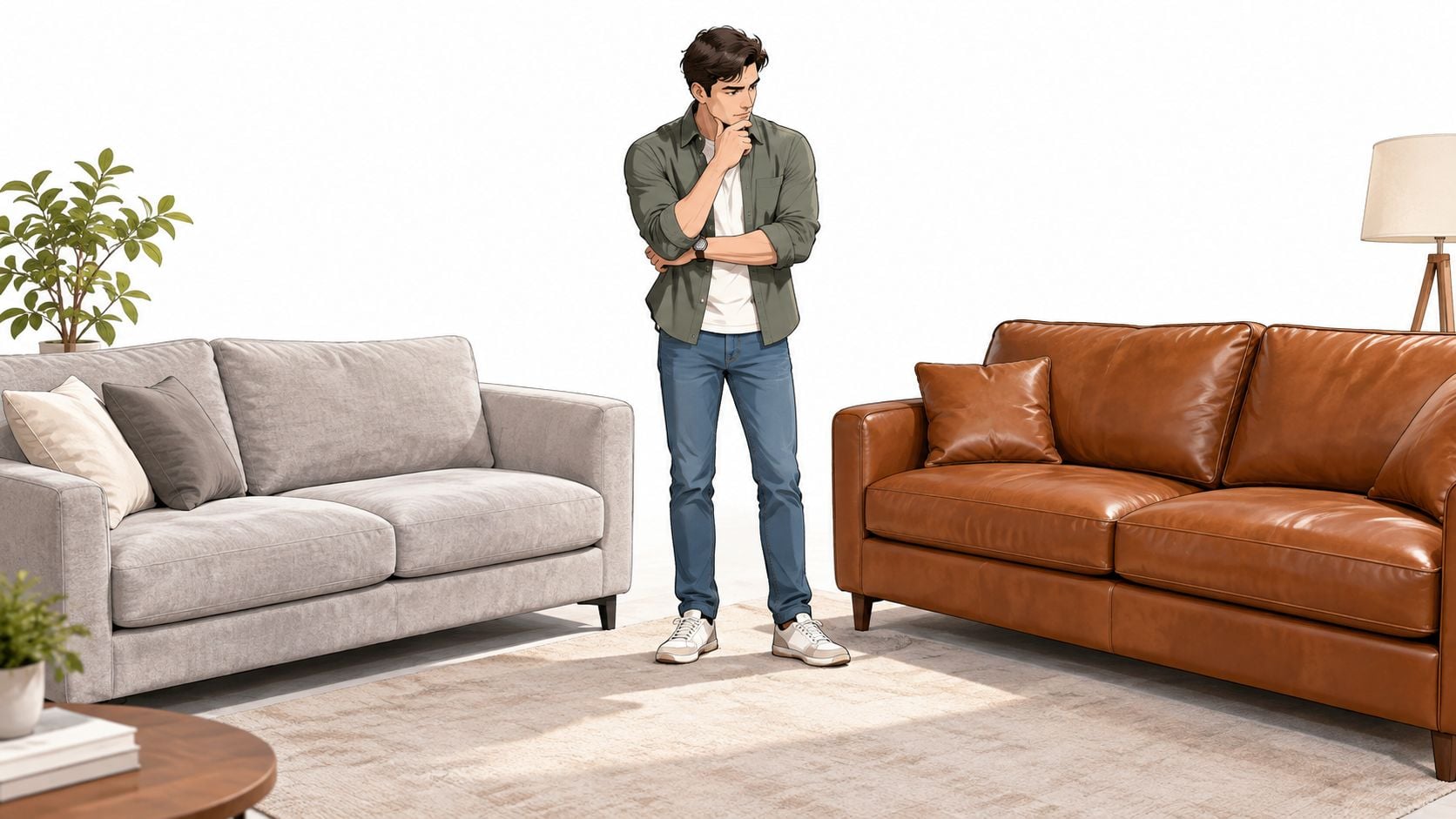
A shopper may sit on a light gray microfiber sofa and immediately notice its soft, suede-like comfort. A few steps away, a brown leather sofa may look more established and substantial. The microfiber option can feel inviting for movie nights and family lounging, while leather may appeal to someone furnishing a forever home and thinking about how the sofa will look years from now.
That decision becomes more personal in Galax, Independence, Hillsville, and the wider Southwestern Virginia and Northern North Carolina region. A sofa may need to handle muddy shoes, pet hair, snack spills, weekend guests, and long evenings with a book. It also needs to suit the room, support comfortable seating, and fit a realistic household budget.
The decision is about lifestyle
Microfiber is often selected for its soft feel, tight weave, and approachable value. Leather appeals to shoppers who want natural character, easy surface cleaning, and a longer ownership horizon. Neither material automatically makes a sofa more comfortable or more durable. Cushion construction, frame quality, seat depth, and the specific finish matter just as much.
The comparison ahead focuses on the details that affect daily life:
- Durability: How the cover handles repeated sitting and household traffic.
- Cleaning: What happens after spills, crumbs, pet hair, or everyday dust.
- Comfort: How each surface feels during different seasons and types of use.
- Household fit: Whether the material suits children, pets, or allergy-sensitive residents.
- Long-term value: How service life, care, and environmental impact shape the purchase.
- Style: Whether the sofa should feel casual and soft or classic and naturally expressive.
Guynn Furniture & Mattress has served local households since 1902, giving shoppers a place to slow down and compare furniture without a high-pressure sales atmosphere. The showroom experience can include La-Z-Boy, where Guynn is a Showcase dealer, along with Ashley and Bassett options. The goal is simple: match the sofa to the home, not push every shopper toward the same upholstery.
Understanding Microfiber and Leather at a Glance
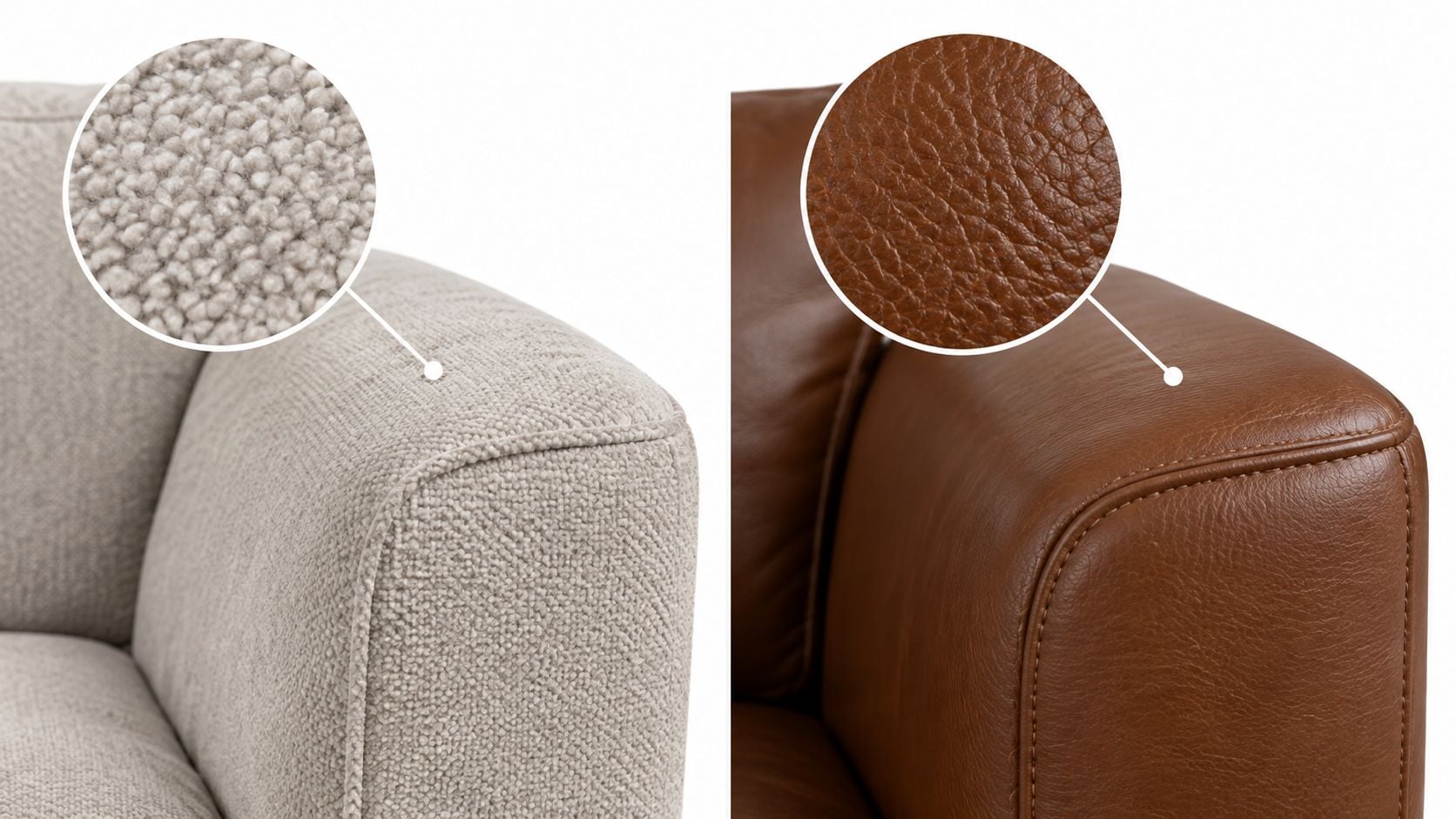
Microfiber is a tightly woven synthetic upholstery material made from very fine fibers. That construction gives it a smooth, soft hand that can resemble suede while still creating a practical surface for everyday furniture. It became commercially important as manufacturers looked for a leather-like appearance with lower cost and strong abrasion performance, as described in this helpful guide to microfiber versus leather sofa materials.
Leather begins with a natural hide. Its surface may show grain variation, subtle markings, and differences in texture from one piece to another. The finish changes the final impression. A more natural finish can highlight the hide's character, while a more uniform finish can create a consistent color and feel across the sofa.
How each material presents in a living room
Microfiber usually brings:
- Softness: A gentle, fabric-like surface that suits relaxed family rooms.
- Visual warmth: A matte appearance that can feel less formal than polished leather.
- Color flexibility: Neutral shades and deeper tones can support casual or transitional décor.
- Tactile consistency: A more even surface without the natural grain variation found in hide.
Leather commonly brings:
- Natural variation: Grain and markings help each sofa feel distinct.
- Visual structure: Smooth leather can make a room feel polished and finished.
- Aging character: The surface may develop a patina as the sofa is used.
- Material presence: Leather often becomes a defining feature rather than a background texture.
The material is only one part of the experience. A La-Z-Boy recliner or sofa can feel very different from another sofa covered in a similar material because the frame, cushioning, reclining mechanism, and proportions change how the body is supported. Ashley and Bassett collections also give shoppers different silhouettes and room-planning options.
For a broader explanation of upholstery construction, cleaning codes, and material differences, Guynn's upholstery materials guide can help shoppers learn the vocabulary before visiting a showroom.
Head to Head Durability Comfort and Everyday Care
A sofa in a Southwestern Virginia home may face cereal crumbs, muddy paws, homework, visiting relatives, and daily lounging. Comparing microfiber and leather becomes easier when both materials are judged against those ordinary demands. Each can work well, but they handle abrasion, spills, temperature, and maintenance differently.
Durability under regular use
Heavy-use microfiber upholstery is commonly specified in the 30,000 to 50,000 Martindale cycle range, while public comparisons place full-grain leather around 50,000 to 100,000 cycles. These figures come from different testing and grading contexts, so they are not a promise of household lifespan. They work more like a tread rating on tires, useful for comparing similar covers, while construction and daily habits determine how the sofa performs at home. Microfiber and leather abrasion comparisons provide additional context.
Higher-grade microfiber can compete with many upholstery-grade leathers for short- to medium-term family use. The rating matters, but it is only one piece of the sofa. Frame strength, seams, cushion design, sunlight, pets, and cleaning habits also affect long-term condition. Furniture-grade microfiber durability details explain why the full construction deserves attention.
A family with children and pets should ask how the sofa will be used, not which label sounds tougher. A showroom team can point out differences in stitching, cushion support, and available upholstery grades before a purchase is made.
Spills and cleaning
Microfiber's tight weave can help a spill remain on the surface briefly instead of soaking in at once. That gives someone time to blot rather than rub and then follow the manufacturer's care instructions. It does not make the fabric stain-proof, but it can make a rushed weekday cleanup less stressful.
Leather's smooth surface often makes everyday marks easy to wipe away. It still needs material-specific care. One leather care guide recommends a pH-balanced cleaner and conditioning every 6 to 12 months to help reduce drying and cracking. Leather cleaning and conditioning guidance covers that maintenance approach.
Practical rule: Cleanability depends on the exact upholstery finish and care code, not only on whether the label says microfiber or leather.
Avoid general disinfectant wipes and unapproved cleaners on upholstered furniture. Guidance on why disinfectant wipes are essential applies to hard, non-upholstered surfaces, while a sofa should be cleaned according to its manufacturer's instructions. Shoppers can also review this guide to the easiest sofa fabric to clean when comparing practical care needs.
Comfort and style over time
Microfiber usually feels soft and familiar from the first sit. Its fabric-like surface suits reading, television, naps, and family gatherings. Leather may feel smoother or firmer depending on the hide and finish, and its feel can change with use.
Temperature can influence the first impression. Leather may feel cool when someone first sits down and warmer after contact, while microfiber tends to offer a more consistent fabric feel. Personal preference matters, so sitting on both materials in a showroom is more useful than judging from a photograph.
Microfiber generally keeps a more even appearance. Leather's markings, wear patterns, and patina can become part of its character. Families wanting a consistent modern look may prefer microfiber, while those who enjoy natural variation may welcome leather's changing appearance.
| Criteria | Microfiber | Leather |
|---|---|---|
| Surface feel | Soft, smooth, and suede-like | Smooth or textured, depending on hide and finish |
| Abrasion reference | Commonly specified at 30,000 to 50,000 cycles for heavy-use sofas | Full-grain leather is publicly compared around 50,000 to 100,000 cycles |
| Spill response | Tight weave can help spills remain on top briefly | Smooth surface is generally easy to wipe |
| Care focus | Prompt blotting and upholstery-specific cleaning | pH-balanced cleaning and conditioning every 6 to 12 months |
| Visual aging | More consistent surface appearance | Natural wear can develop into patina |
| Best starting question | Does the household want softness and easy spot response? | Does the household value hide character and long-term style? |
For Southwestern Virginia shoppers, in-stock choices, design help, and 60-mile delivery can matter as much as the fabric decision. A local showroom visit lets families test comfort, check upholstery care codes, and choose a sofa that fits both the room and the routine.
Cost Value and Environmental Considerations Over Time
A sofa's price tag tells only the beginning of its cost. Families in Southwestern Virginia may get better value by considering expected service life, care requirements, replacement timing, and whether the upholstery still suits the room years later. A lower-priced sofa can be sensible if it matches the household's routine. A higher-priced one may make more sense when daily use is heavy and replacement is difficult.
One industry guide estimates microfiber at an expected 5 to 10 years and full-grain or top-grain leather at 15 to 25 years. These are broad category estimates, not promises. Construction quality, household use, sunlight, cleaning, and maintenance can shift the result in either direction. The comparison appears in Leather and microfiber lifespan guidance.
Material labels also need careful reading. Premium microfiber does not always fit the assumption that fabric wears out quickly. Furniture-grade microfiber may be made for years of household service and frequent use, while standard PU-type faux leather can begin peeling after 2 to 3 years under heavy use. Faux leather is a separate category from genuine leather, so its performance should not represent all leather upholstery.
What environmental accounting adds
Leather's environmental impact deserves a balanced review. One peer-reviewed life-cycle analysis of bovine upholstery leather reported 11.6 kg CO2e per square meter of finished leather, 73.8 MJ/m2 of primary energy demand, and 907.9 kg/m2 of water use. The analysis attributed 79.6% of global warming potential and 93.2% of water use to raw hides. The leather life-cycle analysis provides the underlying figures.
Other reported leather footprints range from 35 to 320 kg CO2e per square meter, depending on system boundaries and assumptions, according to a review summarized in that source. The wide range shows why environmental comparisons are not simple scorecards. Durability, replacement frequency, material composition, cleaning, and end-of-life options all affect the overall picture.
Protecting the household budget
Guynn Furniture & Mattress offers a Low Price Promise that matches local competitors and includes a 30-day price guarantee. Affordable financing may help qualified shoppers choose a sofa based on comfort and expected use rather than sticker price alone. In-stock furniture can support quicker delivery, while a special-order piece calls for more planning.
For a family balancing kids, pets, allergies, and a long-term budget, ask one practical question: will a lower-cost microfiber sofa serve the household well for its expected life, or does leather better fit the room's demands and replacement plans? The answer depends on use, care, and personal priorities. Guynn's guide to how long furniture should last offers another useful way to evaluate that choice.
Best Choice for Pets Kids and Allergy Sensitive Homes
A cat climbing onto the cushions, children carrying snacks into the living room, or an allergy-sensitive family member resting nearby can change the right sofa choice. Judge the material by daily conditions, including claws, crumbs, dander, spills, and the cleaning routine everyone can realistically maintain.

If pets are part of the household
Microfiber often suits homes with pets or children because its tight construction gives claws fewer loose threads to catch than an open weave. It also provides a soft, less formal seating surface. Leather can show scratches more readily, especially from claws, although some marks may blend into a developing patina over time.
The easier mark depends on your household:
- Choose microfiber when softness, a relaxed appearance, and resistance to everyday pet contact matter most.
- Choose leather when wiping away surface hair and debris matters more than concealing visible scratches.
- Check the finish first because two sofas in the same material category may respond differently to claws, hair, and cleaning.
Pet owners should still vacuum routinely and treat spots promptly. The guide to Top Cleaners pet stain removal provides general cleaning context, while the sofa's care instructions should determine the final method. Guynn's guide to the best couch material for pets offers another way to compare pet-related needs.
If children use the sofa every day
Microfiber can be helpful when snacks, drinks, and art supplies reach the living room. Its closely woven surface may give caregivers a short opportunity to blot before a spill travels deeper. Leather is also easy to wipe at the surface, but it needs conditioning, and sharp objects can leave visible marks.
For a young family, microfiber may feel more forgiving because it combines softness with practical spot response. Leather can suit a household that prefers quick surface wipe-downs and accepts natural marks as part of the sofa's character.
If allergies shape the decision
Leather's smooth surface gives dust and dander fewer places to settle than a plush textile, though regular wipe-downs are still needed. It does not remove household allergens, and cleaning remains part of either choice.
Smooth microfiber may retain fewer particles than plush microfiber, but it still benefits from regular vacuuming. That makes it a useful middle option for families seeking a softer surface without as much texture. In Southwestern Virginia, comparing an in-stock sofa in person can also help you judge whether its finish, cushions, and upkeep fit your home for the long term.
Smart Buying and Care Tips from Our Southwestern Virginia Showrooms
A showroom test can answer questions that product photos can't. Sitting for several minutes reveals whether the seat depth supports the shopper's posture, whether the cushion feels too firm, and whether the arm height works for reading or reclining.
What to check before ordering
- Test the actual seat: Sit upright, recline if the sofa allows it, and shift positions as household members would at home.
- Study the cover: Run a hand across the microfiber or leather and look closely at seams, corners, cushion attachments, and the finish.
- Ask about availability: Confirm whether the piece is in stock for immediate delivery or requires a special order.
- Measure the route: Check doorways, stairwells, halls, and the final room before delivery day.
- Discuss the room: Debra Williams and Guynn's expert design staff can help with layout, scale, color, and complementary pieces.
Guynn Furniture & Mattress serves Galax, Independence, Hillsville, and the wider Southwestern Virginia and Northern North Carolina region. The store offers a large in-stock selection for shoppers who want immediate delivery rather than waiting on an online-only order. Free in-home delivery and setup within 60 miles can also simplify the final step.
For planning furniture purchases, the smart furniture shopping guide gives shoppers a useful checklist. Financing options may include no-interest plans for qualified buyers, so households can ask about current terms before selecting a sofa.
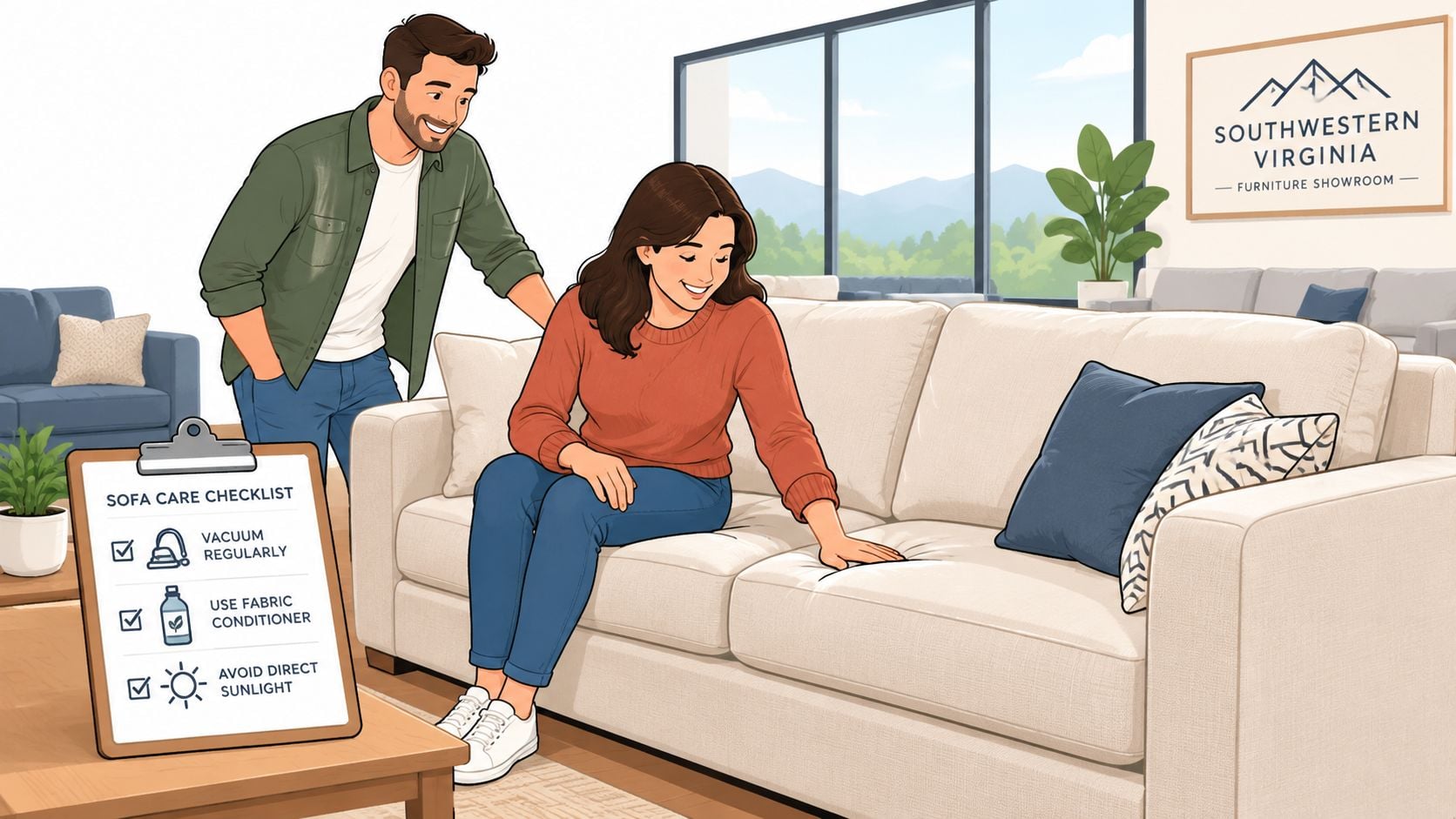
Simple care after delivery
Microfiber care: Vacuum regularly with an upholstery attachment, blot spills promptly, and use only the cleaning method approved for the fabric.
Leather care: Dust the surface, clean with an appropriate pH-balanced product, and condition every 6 to 12 months as recommended by the care guidance linked earlier.
A sofa lasts longer when residents use the right process instead of reaching for a random household cleaner. The care tag and manufacturer instructions should always take priority.
Our Recommendation and Your Next Step to Comfort
Microfiber is a strong fit for households that want soft comfort, practical spill response, pet and kid resilience, and approachable value. It can suit a relaxed family room where the sofa sees daily use and quick spot cleaning matters.
Leather makes more sense for shoppers who value timeless appearance, natural character, longer expected service life, and low allergen retention. It asks for more intentional conditioning and may show scratches, but those marks can become part of the material's aging story.
Neither option is a universal winner. A Traditionalist furnishing a long-term home may lean toward leather, while a family building a flexible living room may prefer microfiber. Guynn's no-pressure atmosphere makes it possible to test both, compare La-Z-Boy, Ashley, and Bassett options, and ask practical questions without rushing the decision. The company has served local families since 1902, with design assistance, a Low Price Promise, a 30-day price guarantee, and free in-home delivery and setup within 60 miles.
Guynn Furniture & Mattress offers comfortable microfiber and leather sofa options, expert design help, and a large in-stock selection for Southwestern Virginia and Northern North Carolina homes. Visit Guynn Furniture & Mattress to compare materials, schedule a consultation with the design team, or visit the Galax, Independence, or Hillsville showrooms to test the comfort for yourself.