10 Affordable Home Decor Ideas for SW Virginia Homes

Your Guide to a Beautiful Home on a Budget
A lot of folks around Galax, Hillsville, and Independence are in the same spot right now. You look around your living room or bedroom and know it needs a lift, but you also know a full-room makeover isn't in the budget. That's real life, especially when you're balancing mortgage payments, groceries, kids, pets, and everything else that comes with making a home work.
The good news is that affordable home decor ideas don't have to feel temporary or thrown together. Some of the best updates are simple ones: a better rug, warmer paint, smarter lighting, or rearranging what you already own so the room finally makes sense. Current design trends also favor warm colors, texture, and organic shapes, which makes it easier to create inviting rooms without chasing a formal showroom look, as noted in Houzz's 2025 home design trends.
At Guynn Furniture, we've been helping families across Southwestern Virginia and Northern North Carolina since 1902. We know most homes come together one smart decision at a time. If you want one easy outside idea to pair with the tips below, you can also refresh your space with vinyl for a quick style update.
Table of Contents
- 1. DIY Paint & Accent Wall Transformations
- 2. Strategic Thrift Store & Second-Hand Furniture Shopping
- 3. Affordable Area Rugs & Layering Techniques
- 4. DIY Wall Decor & Gallery Walls
- 5. Budget-Friendly Window Treatments & Soft Furnishings
- 6. Repurposing & Upcycling Existing Furniture
- 7. Affordable Throw Pillows & Blanket Layering
- 8. Budget Lighting Solutions & Lighting Layering
- 9. Affordable Wall Shelving & Indoor Plants Styling
- 10. Flexible Furniture Arrangement & Rearrangement
- 10-Point Comparison of Affordable Home Decor Ideas
- Ready to Bring Your Ideas to Life?
1. DIY Paint & Accent Wall Transformations
Fresh paint changes a room faster than almost anything else. If a bedroom feels dull or a living room feels flat, start with the walls before you replace furniture you may still like.
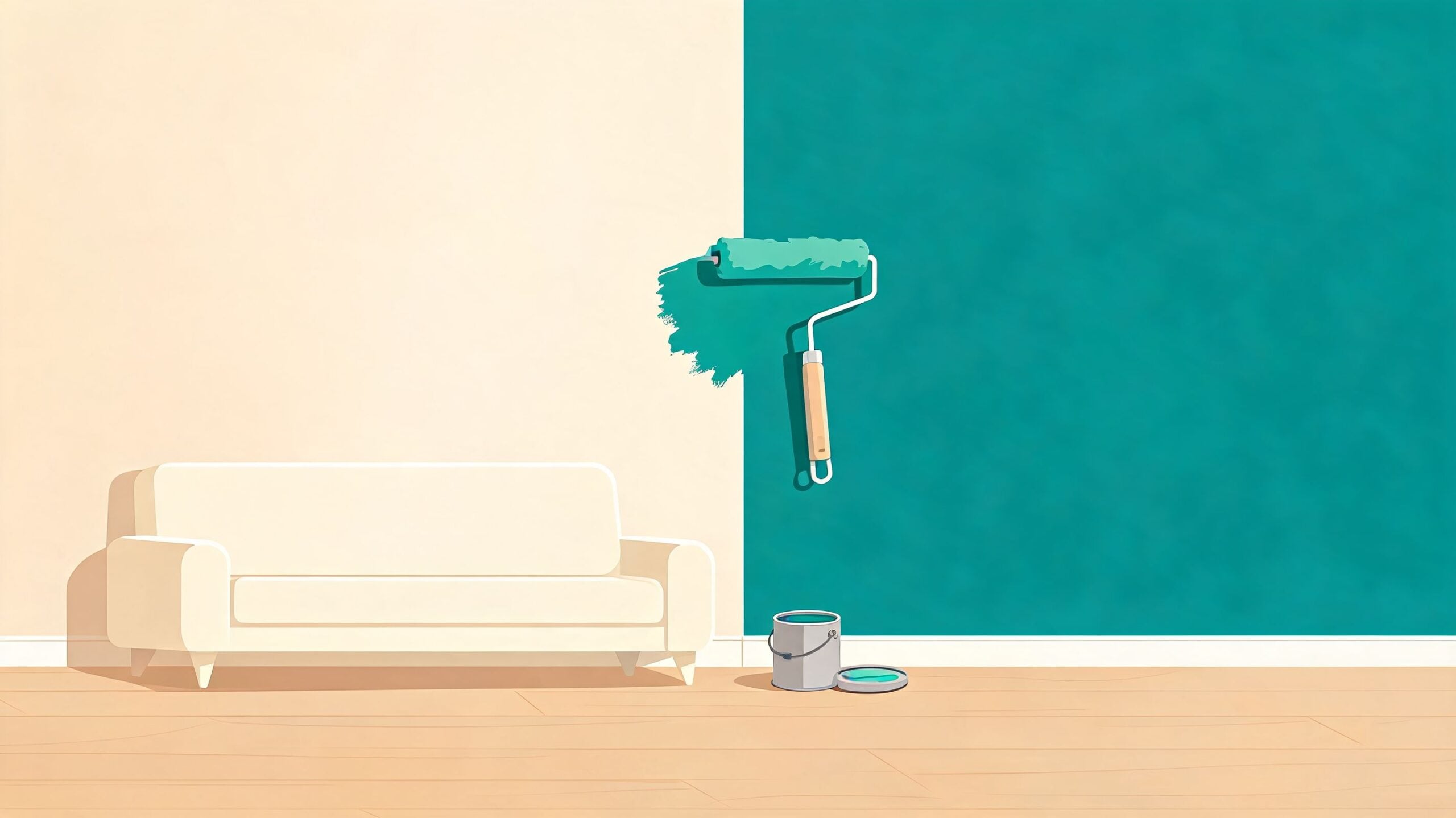
A soft sage wall can calm down a busy bedroom with an Ashley bed. A deep navy accent wall can make a La-Z-Boy sectional stand out instead of blending into the background. Warm gray or creamy beige often helps older wood dining pieces look more current without stripping away their character.
What works best with paint
Paint works when you prep first. Wash the wall, patch nail holes, tape your trim carefully, and test swatches morning and evening before you commit. Light in Southwestern Virginia homes can shift a lot from one side of the house to the other, especially if you've got shade trees or mountain light coming through the windows.
What doesn't work is choosing a color from a tiny chip under store lighting and hoping for the best. It also doesn't pay to use bargain tools if you're trying to get clean edges and smooth coverage.
- Test the wall: Brush sample colors on more than one wall so you can see how they look in daylight and lamplight.
- Pick warm over stark: Warm off-whites, creams, tans, and browns fit where design is heading and usually feel more welcoming than icy white walls.
- Use paint to frame furniture: An accent wall behind a Bassett bed or dining cabinet creates a focal point without adding clutter.
Practical rule: Paint should support the furniture you already own. If the wall color fights the sofa, the room will always feel off.
If you want a little more direction before you open the first can, Guynn shares helpful advice on choosing the perfect accent wall color. For homeowners who'd rather leave the brushwork to a pro, this guide to Melbourne house interior painting is a good reminder that clean prep work matters as much as color choice.
2. Strategic Thrift Store & Second-Hand Furniture Shopping
You spot a $75 dresser at a church sale in Wytheville, load it up feeling proud of the deal, then get it home and realize the drawers stick, the top is veneered particleboard, and it smells like a damp basement. That is the part nobody puts in the Facebook Marketplace listing.
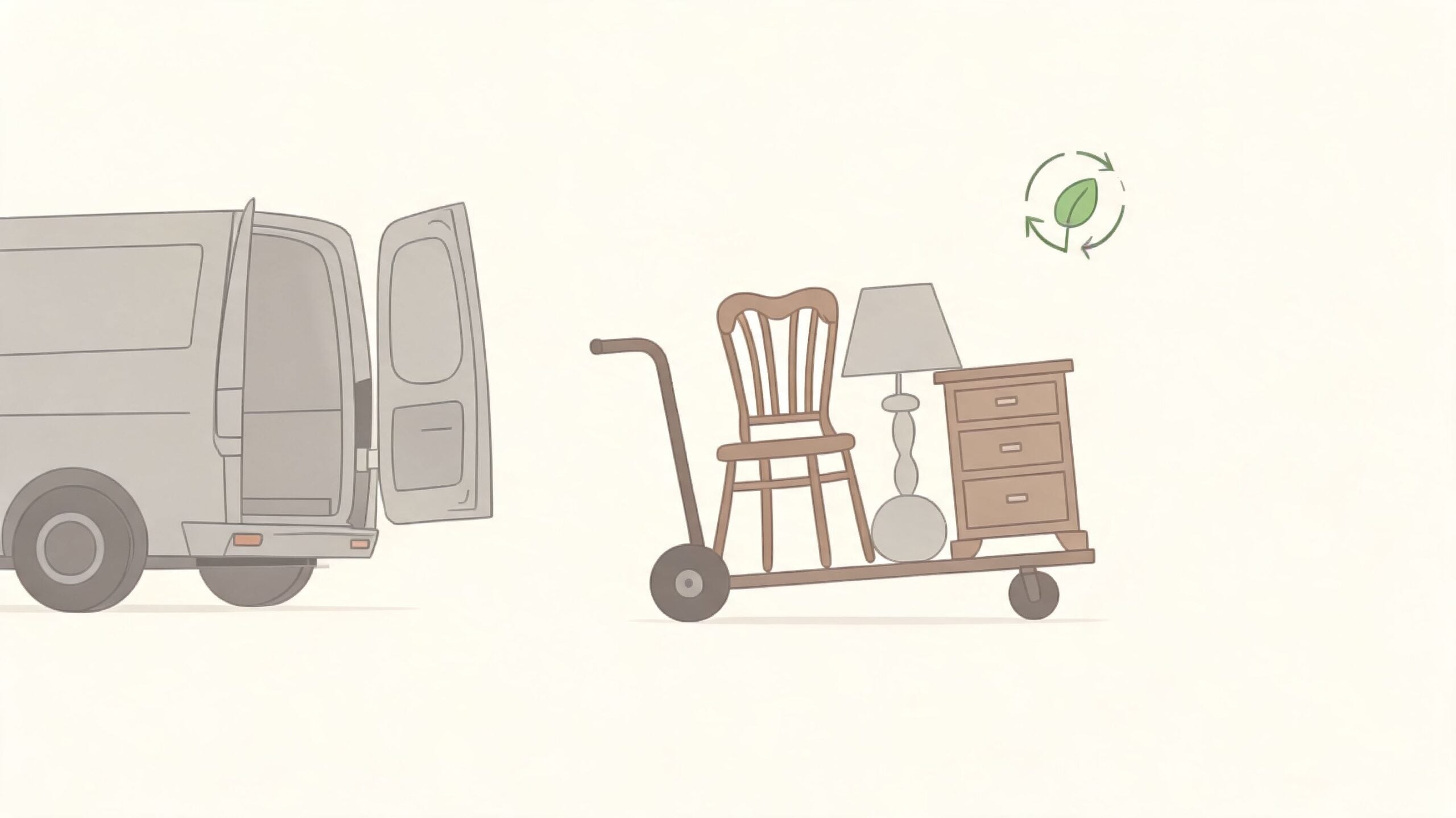
Second-hand shopping can still save real money around Southwestern Virginia. Estate sales, flea markets, thrift stores, local classifieds, and community buy-sell groups are full of useful pieces. The key is buying furniture with good structure and passing on anything that will cost more to fix than it is worth.
Solid wood usually earns a second look. Older side tables, dressers, dining chairs, and bookcases often have better bones than many cheap new pieces. Scratches, dated stain, and old hardware are manageable. Loose joints, warped tops, moldy odors, broken drawer runners, and signs of pests are where I tell people to walk away.
Upholstered furniture needs more caution. A used recliner may look like a bargain, but worn foam, sagging springs, pet odors, and fabric damage can turn that bargain into a headache fast. In most homes, it makes more sense to thrift the hard pieces and buy your comfort pieces new.
That mix is usually where the budget works best. A second-hand console can add character in an entryway, while a new sofa, mattress, or recliner from Guynn gives you the support and durability your family will notice every day. The room feels collected instead of random.
Here is the checklist that keeps a thrifted find from becoming a regret:
- Measure before you leave home: Check the room, the doorway, the stair turn, and the vehicle.
- Open every drawer and door: If it sticks now, it will still stick in your bedroom.
- Look underneath and behind: Repairs, water damage, split wood, and missing supports usually show up there first.
- Smell the piece: Smoke, mildew, and pet odors are hard to remove completely.
- Price the fix before you buy: New hardware is cheap. Reupholstery and structural repair usually are not.
One more practical tip. Buy second-hand pieces that can stand on their own even before you refinish them. If a table only works after sanding, staining, replacing hardware, and hunting down matching chairs, it is not really a budget find.
Guynn's guide to best furniture deals near me is useful if you want to pair thrifted accent pieces with dependable new basics. And if your second-hand find is going into a sitting area, it helps to understand what size rug works for a living room layout before you start placing furniture. That little bit of planning keeps the room from feeling pieced together in the wrong way.
3. Affordable Area Rugs & Layering Techniques
You know that feeling when the sofa is in place, the coffee table is set, and the room still looks a little bare. Around here, that usually means the floor needs attention. A rug helps a room feel settled, especially in Southwestern Virginia homes where you might be working with older hardwood, builder-grade vinyl, or a mix of both from one room to the next.
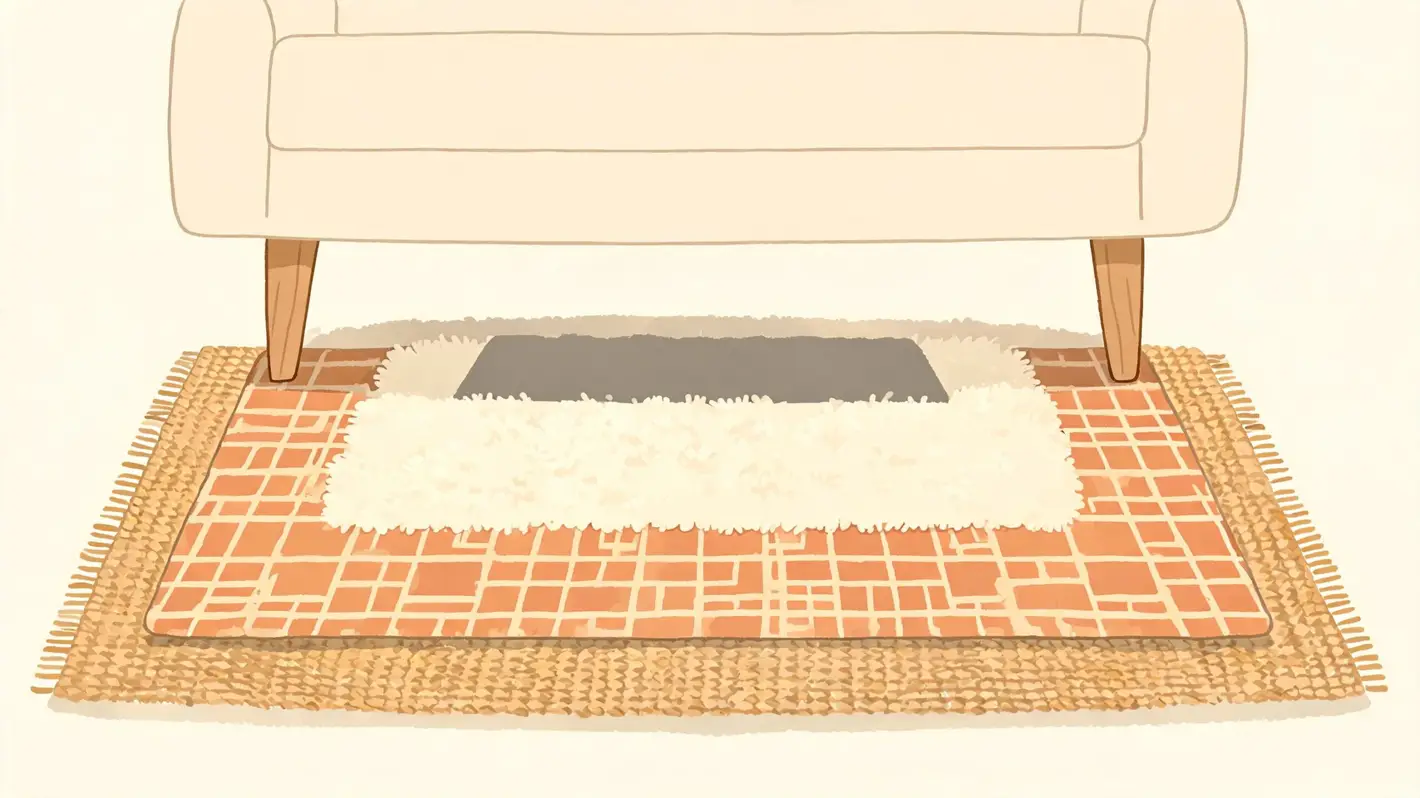
A good rug does several jobs at once. It softens the room, cuts some echo, protects the floor, and gives your furniture a clear footprint so the space looks planned instead of scattered. That matters even more if you are mixing a thrifted side table, a hand-me-down chair, and a newer sofa from Guynn Furniture. The rug is often what ties those pieces together.
The biggest mistake is still size. A rug that only sits under the coffee table usually makes the whole seating area look smaller and a little disconnected. In most living rooms, the better approach is to place at least the front legs of the sofa and chairs on the rug. Guynn has a helpful guide on what size rug works for living room layouts if you want to check dimensions before you buy.
Layering can save money if you do it with a plan. Start with an affordable neutral base, such as a flatwoven jute-look or low-pile rug, then add a smaller patterned rug where you want color and texture. I like this approach for family rooms and bedrooms because the larger base fills the space, while the top rug gives the room personality without the price of one oversized statement piece.
A few practical rules help:
- Anchor the seating group: The rug should connect the main furniture pieces, not float by itself in the center.
- Match the pile to the room: Low-pile and flatweave rugs are easier to clean in busy spaces like living rooms, hallways, and under kitchen tables.
- Use runners with purpose: Hallways, bedsides, and laundry paths benefit from softness where people walk.
- Layer for warmth, not clutter: Keep one rug quiet and let the other bring in the pattern.
This is also where local shopping helps. At Guynn, you can compare rugs beside the sofas, recliners, and accent tables they will live with, which is a lot easier than guessing from a tiny online swatch. If you are also working on the walls, their selection of decorative wall art for coordinating a room makes it easier to repeat colors from the rug so the whole space feels connected.
One trade-off to keep in mind. Plush rugs feel great underfoot, but they can fight with dining chairs, trap more dust, and show wear faster in high-traffic spots. Lower piles are usually the better budget choice because they hold up, clean up faster, and still warm up the room visually.
4. DIY Wall Decor & Gallery Walls
Blank walls can make a finished room feel oddly temporary. You don't need expensive original art to fix that. Family photos, framed prints, mirrors, and collected pieces can do the job beautifully when they're arranged with some intention.
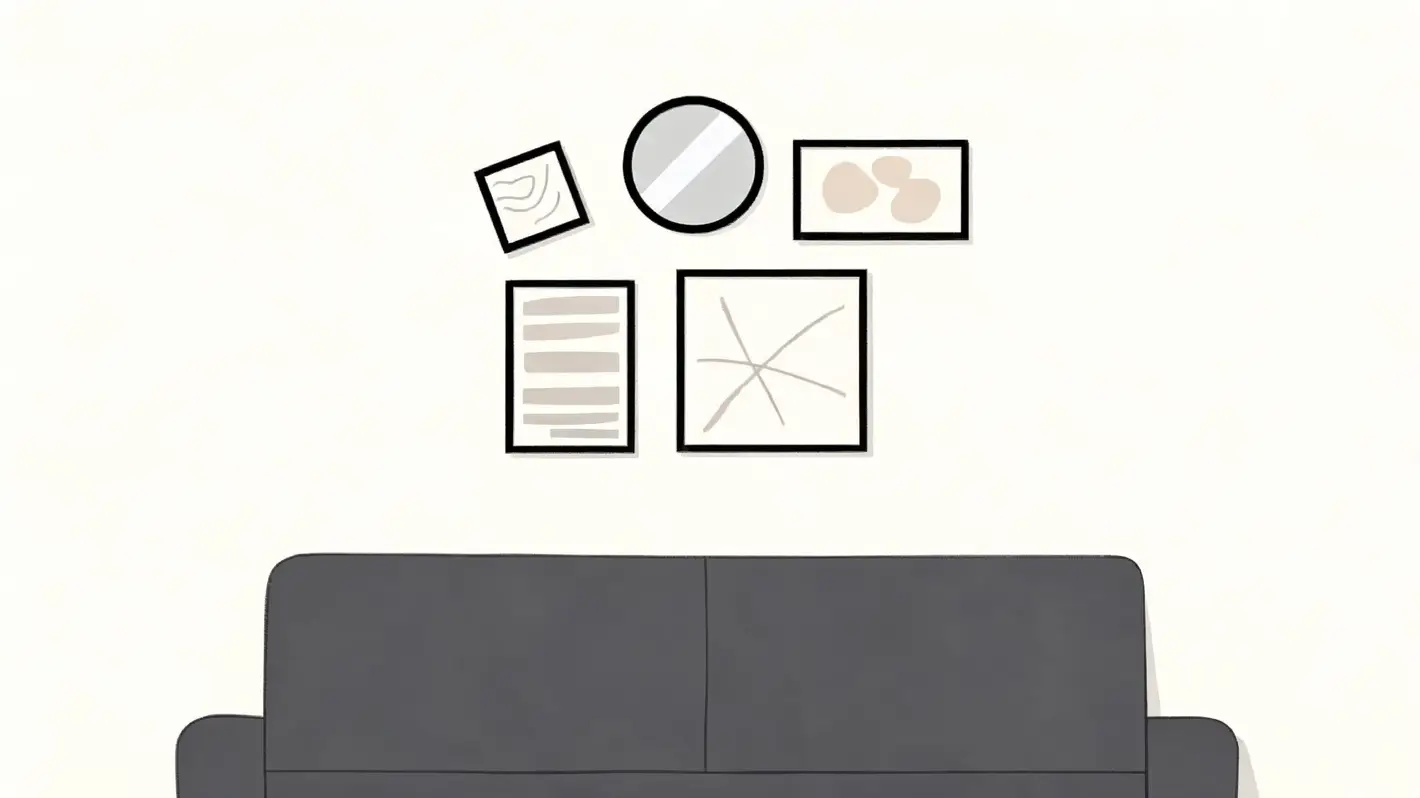
A gallery wall above a La-Z-Boy sofa can tell your family's story better than one oversized sign ever will. In a dining room, a mix of small art, a mirror, and woven pieces often feels warmer than matching frames lined up in a rigid row.
A simple layout that usually works
Start on the floor. Lay out your pieces before you put a single nail in the wall. Then use painter's tape to mark the overall width and height on the wall so you can keep the arrangement from creeping too far in one direction.
What works well is variety with one thread of consistency. That might be all black frames, all warm wood tones, or repeated mat colors. What doesn't work is combining too many unrelated finishes without any visual connection.
Leave some breathing room between pieces. A gallery wall should feel collected, not crammed.
You can also mix in a mirror to bounce light around darker rooms, which helps in older homes with fewer overhead fixtures. If you need inspiration for pieces that fit a traditional, farmhouse, or transitional room, browse Guynn's decorative wall art collection.
5. Budget-Friendly Window Treatments & Soft Furnishings
Window treatments do more than cover glass. They soften a room, control privacy, and help furniture feel grounded. When they're done right, even a simple bedroom set or living room arrangement looks more finished.
One of the easiest upgrades is hanging curtains higher and wider than the window frame. That makes ceilings seem taller and lets in more light when the panels are open. In a bedroom with a Bassett headboard or a Sealy mattress setup, neutral curtain panels can make the whole space feel calmer and more complete.
Where people usually go wrong
They hang curtains too low, choose panels that are too skimpy, or stop at blinds alone when the room really needs softness. Another common mistake is choosing a curtain color that almost matches the wall, but not quite. That usually reads as accidental instead of layered.
Try pairing sheers with fuller outer panels in the living room or dining room. The sheers keep the room from feeling bare during the day, while the outer panels add weight and polish.
- Mount near the ceiling: This draws the eye up and improves the room's proportions.
- Go wider than the frame: Curtains should stack off the glass when open.
- Match the mood of the room: Linen-look panels feel relaxed. Heavier fabrics feel more formal and traditional.
If you're styling a wall at the same time, these gallery wall design tips pair well with layered curtains because both help a room feel finished without a renovation.
6. Repurposing & Upcycling Existing Furniture
Some of the best affordable home decor ideas start with what you already own. A tired nightstand, inherited dresser, or older dining table might need a little work, but it can still earn its place in the room.
If the shape is good and the structure is solid, paint, stain, or new hardware can completely change the look. A dated dresser can become a charming bedroom accent in a warm white or muted blue. An old dining table can feel more current once the finish is cleaned up and the chairs are rethought.
Choose your projects carefully
Start with simple wins. A side table, mirror frame, or bench is much easier than tackling a large armoire or full reupholstery job. Small projects build confidence and usually get finished, which matters more than having a garage full of half-done ideas.
What doesn't work is forcing every old piece to stay just because it's there. Some furniture has sentimental value but no practical use. In those cases, keep one meaningful piece and let the room breathe.
- Use the right paint: Furniture needs a durable product and proper prep, not leftover wall paint.
- Change the hardware: New knobs or pulls often do more than people expect.
- Blend old with new: A refreshed dresser can look terrific beside a new Ashley or Bassett bed.
Guynn offers more easy, real-home inspiration in these budget-friendly fall furniture refresh ideas anyone can try. This is also where a no-pressure design opinion helps. If a piece can be saved, great. If not, it's better to know before you sink time into it.
7. Affordable Throw Pillows & Blanket Layering
Pillows and throws are the fast-change artists of decorating. If your sofa is neutral or your bedding feels plain, a few soft layers can shift the whole look of the room without a major purchase.
This works especially well now because texture mixing is a strong decorating direction. Combining knits, woven fabrics, velvet-like finishes, and soft cottons creates depth and warmth without needing a full redesign. That's one reason homes with quiet, relaxed style often feel expensive even when the updates were modest.
Keep the mix simple
A good formula is to start with a base color that's already in the room. Then add one accent shade and one pattern. On a La-Z-Boy sectional, that might mean two solid pillows, one subtle patterned pillow, and a throw draped over the arm. On a bed, layer standard bedding first, then add pillows in varied sizes so the arrangement doesn't look flat.
Too many pillows can become a nuisance, especially in family rooms where everyone just drops them on the floor. The sweet spot is enough to add softness and color, but not so many that they get in the way of using the furniture.
Texture does more work than loud color. If you want a room to feel cozy, start there.
Warm neutrals, browns, deep greens, and burgundy tones fit today's home styling especially well. Those shades also play nicely with the wood finishes and traditional furniture styles a lot of homes in our region already have.
8. Budget Lighting Solutions & Lighting Layering
Lighting changes how every other decor choice looks. The right lamp can make paint look richer, wood look warmer, and a room feel more welcoming at the end of a long day.
This is one area where small changes pay off quickly. Add matching lamps to nightstands, place a floor lamp near a reading chair, or use a table lamp on a console to soften a dark corner. In a living room with a La-Z-Boy recliner, layered light can make a reading nook feel intentional instead of improvised.
Build the room in layers
Most rooms need three kinds of light. Overhead light handles general visibility. Task lighting helps you read, work, or sew. Accent lighting makes the room feel lived in and comfortable.
Smart lighting has also made affordable styling easier because color-changing bulbs and simple app controls let homeowners adjust the mood without major spending, as discussed in the earlier Living Bright Interiors trend report. Even without going high-tech, warmer bulbs usually give living spaces a much better look than harsh cool ones.
- Use table lamps for softness: They help large rooms feel less echoey and stark at night.
- Brighten dead corners: A floor lamp can balance the whole room visually.
- Match finish tones: Lamps look more intentional when their metal or wood tones relate to nearby furniture.
One caution. Don't rely on a single bright ceiling fixture and call it done. That's the fastest way to make a room feel flat and uncomfortable.
9. Affordable Wall Shelving & Indoor Plants Styling
A blank wall can make a room feel unfinished, especially after you've handled the big pieces and still feel like something is missing. A couple of well-placed shelves and one or two easy-care plants often fix that faster, and cheaper, than buying more furniture.
This idea works well in Southwestern Virginia homes because many rooms need to do more than one job. A dining room corner becomes a homework spot. A hallway wall needs storage without crowding the walkway. Shelving gives you display space and function at the same time, and plants keep it from feeling stiff.
Start by deciding what the wall needs to do. Over a desk, shelves should earn their keep with baskets, books, and supplies you use. In a living room, a shelf arrangement can soften the area around a TV, fill the wall above a console, or help tie together a sofa, side table, and lamp without adding floor clutter. If you shop at Guynn Furniture, their case goods, consoles, and accent pieces help. It's easier to style a shelf well when the wood tone or finish relates to the furniture already in the room.
Style shelves with enough breathing room
The biggest mistake I see is trying to fill every inch. Shelves look better with open space.
Mix practical items with a few personal ones. Use a stack of books, a framed family photo, a small bowl, or a pottery piece with one trailing plant. If everything is decorative, the shelf can feel staged. If everything is storage, it can feel heavy.
Plants help, but pick the kind that matches your house, not your aspirations. Snake plants, pothos, philodendrons, and ZZ plants handle missed waterings and ordinary indoor light better than fussier varieties. That's a real advantage if you have dry winter air, busy weeks, or a room that doesn't get perfect sun.
- Install shelves securely: Hit studs when possible, or use anchors rated for the weight.
- Repeat one or two finishes: Similar wood tones, black metal, or matching pots make the arrangement feel settled.
- Vary height and shape: Combine upright books, low objects, and one trailing plant.
- Keep some empty space: Your eye needs a break, and the whole wall looks cleaner.
If you're working with a modest budget, start small. One shelf over a console, a plant on the end, and a basket for everyday clutter can change the room more than a cart full of random decor. That's usually the better trade-off. Fewer pieces, chosen on purpose, nearly always look better than more pieces bought just to fill space.
10. Flexible Furniture Arrangement & Rearrangement
This is the most affordable idea on the list because it costs nothing but a little effort. Rearranging furniture can make a room feel new, improve traffic flow, and even help you appreciate pieces you already own.
The larger home decor market also supports this practical approach. The U.S. home decor market was valued at $165 billion in 2023 with 6.3% CAGR growth, according to Ken Research, and much of that demand is tied to renovation, personalization, and multifunctional furniture. In plain terms, homeowners want rooms that work harder, not just look prettier.
Try these layout shifts first
Pull furniture away from the walls if the room allows it. A floated sofa and chair arrangement often feels more natural for conversation than everything lined up around the perimeter. In bedrooms, center the bed if possible and frame it with matching or coordinated nightstands to create a stronger focal point.
Dining rooms also benefit from small changes. Rotating the table orientation, moving a sideboard, or redefining the area with a rug can improve how the room functions for daily meals and gatherings.
- Follow the light: Put reading chairs, desks, and conversation seating where natural light helps.
- Protect your pathways: People should move through the room without weaving around corners.
- Use multifunctional pieces: Storage beds, modular seating, and flexible dining pieces make modest homes work better.
If you're not sure how to make a room function better, Guynn's expert design staff can save you a lot of trial and error. Debra Williams and the team help homeowners across Galax, Independence, Hillsville, and the wider Southwestern Virginia and Northern North Carolina region figure out what belongs where, and what isn't helping the room.
10-Point Comparison of Affordable Home Decor Ideas
| Item | Implementation Complexity 🔄 | Resources & Cost ⚡ | Expected Outcomes 📊 | Ideal Use Cases 💡 | Key Advantages ⭐ |
|---|---|---|---|---|---|
| DIY Paint & Accent Wall Transformations | Moderate, prep, taping, possible primer | Low ($20–$80; basic tools) | Strong immediate visual change; reversible | Weekend refresh; highlight sofa/bed | Cost-effective, fast transformation |
| Strategic Thrift & Second‑Hand Shopping | Moderate‑high, search, inspect, transport | Low purchase price; possible repair/delivery costs | Unique pieces; potential high quality at low cost | Budget furnish, sustainable sourcing, statement pieces | Big savings; one‑of‑a‑kind finds |
| Affordable Area Rugs & Layering Techniques | Low, measuring and placing rugs | Low–medium ($40–$250) | Defines zones; adds warmth, texture, acoustics | Living rooms, bedrooms, dining areas | Anchors furniture; easy seasonal updates |
| DIY Wall Decor & Gallery Walls | Low–moderate, layout, measuring, hanging | Very low ($30–$100) | Personalized focal wall; room feels finished | Above sofas/beds, dining walls, hallways | High customization for minimal cost |
| Repurposing & Upcycling Existing Furniture | High, skills, time, tools required | Low–medium to high (varies $50–$800) | Unique, customized pieces; sustainable outcome | Restoring quality pieces; bespoke matches | Cost‑effective vs replacement; sustainable |
| Affordable Throw Pillows & Blanket Layering | Very low, styling only | Very low ($10–$30 per pillow) | Instant color/texture boost; cozy feel | Sofas, beds, seasonal refreshes | Fast, inexpensive, flexible styling |
| Budget Lighting Solutions & Layering | Low–moderate, placement; dimmers add complexity | Low ($20–$60 per fixture) | Improved ambiance and function; highlights furniture | Reading nooks, bedrooms, living rooms | Big mood impact with plug‑in options |
| Affordable Wall Shelving & Indoor Plants Styling | Low–moderate, mounting and plant care | Low ($20–$80 per shelf; $5–$30 plants) | Vertical interest, display space, liveliness | Small spaces, display areas, rental-friendly | Functional storage + natural decor |
| Flexible Furniture Arrangement & Rearrangement | Low–moderate, planning and physical effort | Free to low (may need helpers/tools) | Better flow/function; new perspectives | Testing layouts; seasonal room refreshes | Zero cost, immediate functional gains |
Ready to Bring Your Ideas to Life?
You repaint the walls on Saturday, shift the sofa on Sunday, and by Monday evening the room already feels calmer. That is how a lot of good decorating happens around Southwestern Virginia. Not in one expensive sweep, but in steady, practical updates that make daily life better.
Affordable home decor ideas work because they leave room for real priorities. A new rug can warm up cold floors in an older farmhouse. Better lamps can soften a living room that always felt a little harsh after sunset. A thrifted accent table might do the job just fine, while the sofa, mattress, or recliner is the piece worth buying for comfort and long-term use.
That balance matters.
Cheap decor is only a deal if it holds up and fits the way you live. I always tell people to save on the flexible layers, pillows, wall art, baskets, and side tables if needed. Spend more carefully on the pieces you use every single day. In a home with kids, pets, guests, or long evenings spent in the same chair, durability shows up fast.
That is also why many local shoppers still prefer to buy some pieces in person, even if they gather ideas online first. Photos help with style, but they do not tell you whether a recliner supports your back, whether a fabric feels scratchy, or whether a rug color pulls too gray once you get it under the light in your home. In this part of Virginia, where homes range from compact town spaces to larger family houses and country properties, scale and comfort matter just as much as price.
Guynn Furniture & Mattress has served this region since 1902, and that history shows in the way the store approaches decorating. The goal is not to push a full room package you do not need. It is to help you mix affordable updates with better anchor pieces, whether that means pairing a thrifted end table with a new Bassett sofa, adding an Ashley bed to a room you have already painted yourself, or testing a Sealy or Therapedic mattress before you commit.
There is a practical advantage to shopping local, too. You can compare finishes in person, ask honest questions, and get advice from people who understand how families around Galax, Independence, Hillsville, and nearby North Carolina towns live. If you need something quickly, Guynn also carries a large in-stock selection for faster delivery. Free in-home delivery and setup within 60 miles saves time and back strain, which anyone who has tried to move a sofa through a narrow hallway can appreciate.
If your home needs a refresh, start with one room. Pick the update that will change how that room feels every day, then build from there.
Primary CTA: Visit our showrooms in Galax, Independence, or Hillsville to test the comfort for yourself.
Secondary CTA: Schedule a consultation with our design team to start planning your dream room today.
Online CTA: Browse our selection of La-Z-Boy, Bassett, Sealy, and more online at guynnfurniture.net.
If you're ready for affordable updates that still feel lasting and comfortable, Guynn Furniture & Mattress is here to help. Visit our showrooms in Galax, Independence, or Hillsville, or connect with our expert design staff for personalized guidance, free in-home delivery and setup within 60 miles, and a no-pressure shopping experience built for families across Southwestern Virginia and Northern North Carolina.