Memory Foam Mattress Benefits: Sleep Better in 2026

A lot of mattress shopping starts the same way. Someone wakes up stiff, notices every toss from a sleeping partner, or realizes the current bed just doesn't feel supportive anymore. Then the research begins, and memory foam quickly shows up in every conversation.
That interest makes sense. A good mattress affects comfort, sleep quality, and how a bedroom feels at the end of a long day. For families across Galax, Independence, Hillsville, and the wider Southwestern Virginia and Northern North Carolina region, the key question usually isn't whether memory foam is popular. It's whether it fits the way a household sleeps.
Furniture shopping can feel expensive and confusing, especially when every mattress description starts sounding the same. Since 1902, local families have counted on a no-pressure atmosphere and straightforward guidance, and that same approach matters here. The goal isn't to chase a trend. It's to understand what memory foam does, who it helps most, and what to look for before bringing one into a home.
How a Memory Foam Mattress Actually Works
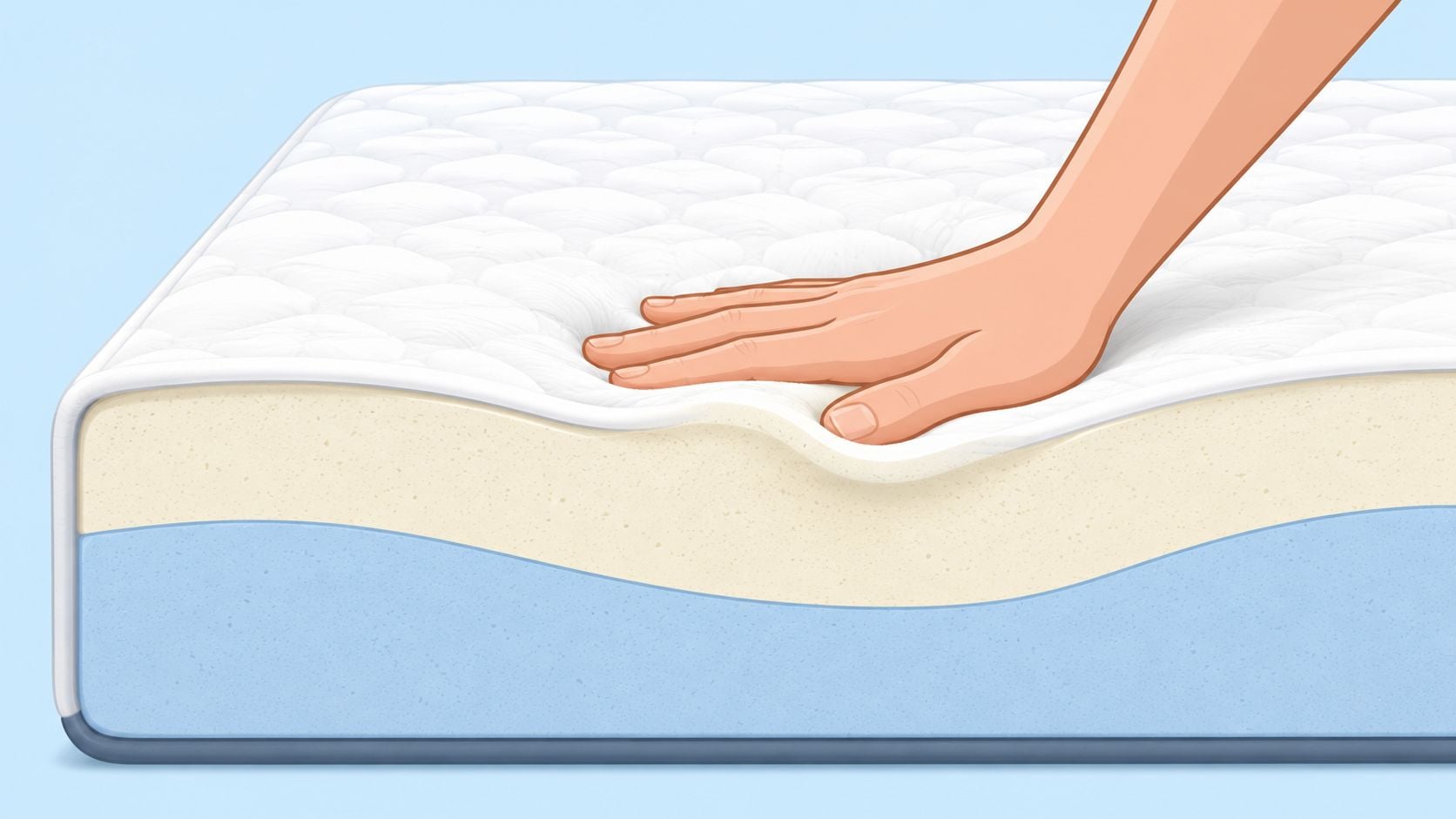
Memory foam feels different because it behaves differently. Instead of pushing back the way a traditional spring mattress often does, it responds slowly to body heat and pressure, then shapes itself around the sleeper.
A simple way to picture it is a hand pressing into soft dough. The surface gives where pressure is applied, forms around that shape, and then gradually returns after the pressure is removed. Memory foam uses that same basic idea, but with a material designed for support instead of baking.
What viscoelastic really means
The technical word most shoppers see is viscoelastic. That sounds complicated, but the effect is easy to understand. Memory foam's primary technical benefit is its viscoelastic property, which enables pressure point relief by softening in response to body heat and pressure to contour uniquely to the sleeper's shape, thereby distributing weight evenly and reducing stress on critical areas like hips, shoulders, and neck, as explained in this overview of memory foam technology and pressure relief.
That contouring is why some people describe memory foam as a gentle cradle. It isn't swallowing the body. It's spreading weight more evenly so one small area doesn't take all the force.
For a side sleeper, that often means the shoulder and hip sink in enough to avoid a hard, jammed feeling. For a back sleeper, it can mean support that follows the natural curve of the spine instead of leaving gaps.
Practical rule: Contouring and support aren't opposites. The right memory foam mattress does both at the same time.
Why it feels different from an innerspring
A traditional innerspring mattress tends to feel more buoyant and quick to rebound. Many people like that. Memory foam, by contrast, adapts more gradually when someone changes position.
That slower response can help the body feel more evenly supported through the night, especially when sleep positions change. It's one reason shoppers often notice a calmer, more cushioned feel during an in-store test.
For readers who want a deeper breakdown of materials and feel, this guide on what a memory foam mattress is gives a helpful starting point.
The Top Memory Foam Mattress Benefits for Better Sleep
Once the material makes sense, the benefits are easier to judge. Most shoppers aren't looking for technical jargon. They want to know whether they'll wake up with fewer aches, sleep through a partner's movement, and feel more settled at night.
Clinical research published in Sleep found that using a memory foam mattress significantly improved objectively measured sleep quality, reducing wakefulness after sleep onset by an average of 7 minutes per night and decreasing the total number of nightly awakenings, while also improving sleep efficiency, sleep maintenance, and overall SleepScore in the study group. Participants also reported greater comfort, faster time to fall asleep, less time awake after first falling asleep, longer sleep duration, and feeling more rested in the morning, according to the published sleep study on memory foam mattresses.

Pressure relief that can ease the morning
One of the most talked-about memory foam mattress benefits is pressure relief. That matters because discomfort usually starts where the body presses hardest into the bed.
- For side sleepers: The shoulder and hip usually need extra cushioning, and memory foam can contour around those areas instead of letting them bear the brunt of body weight.
- For back sleepers: A more even surface feel can help the mattress support the body without creating a strained lower-back sensation.
- For sore joints: The softer contouring feel is often what makes people say the bed feels gentler when they first lie down.
Medium and high-density memory foam mattresses reduce morning back pain by 78%, improve spinal alignment by 82%, and decrease pressure points by 92% according to The Sleep Research Center's 2024 analysis.
For readers dealing with joint discomfort, this article on a memory foam mattress for arthritis may help connect those comfort features to everyday use.
Motion isolation for couples and light sleepers
Anyone who shares a bed knows this problem. One person rolls over, gets up early, or comes in late, and the whole mattress seems to react.
Memory foam helps by absorbing movement instead of carrying it across the surface. That's one of the biggest reasons couples often prefer it over a more reactive mattress feel.
A mattress can feel comfortable in the showroom and still fail at home if every movement wakes the other sleeper.
This benefit also matters in homes with children, pets, or uneven sleep schedules. It doesn't make a bed silent or motionless, but it can make the night feel less interrupted.
A cleaner-feeling sleep surface for allergy concerns
Another practical benefit is the material's dense structure. It resists the accumulation of common allergens such as dust mites, mold, and other irritants, which can make memory foam appealing for households that want a more hypoallergenic sleep environment.
That doesn't replace regular cleaning, washable bedding, or good bedroom airflow. It means the mattress material itself can be a better fit for people trying to reduce common irritants in the sleep space.
Some households also notice that mattress comfort works best when the whole room supports sleep. Air quality and moisture levels matter, too. This guide to humidifier benefits for better sleep is a useful companion resource for anyone trying to make the bedroom feel easier on the body at night.
Who Should Choose a Memory Foam Mattress?
Not every mattress fits every sleeper. That's where many shoppers get stuck. They hear that memory foam is comfortable, but they aren't sure whether that means comfortable for them.
The clearest answer comes from matching the material to real sleep habits. Some people need more cushioning. Others need less disturbance from movement. Some want a mattress that feels gentler.
Sleepers who often benefit most
Memory foam is often a strong match for:
- Side sleepers: They usually need give at the shoulder and hip so those areas don't feel jammed against the bed.
- People with back or joint discomfort: A contouring surface can feel less harsh than a firmer, less adaptive sleep surface.
- Couples: Memory foam's superior motion isolation is due to its high density and viscoelastic structure, which absorbs and dampens movement energy. This significantly reduces disruptions for co-sleepers, as described in this explanation of motion isolation in memory foam.
- Seniors: Many older adults prefer a mattress that feels supportive without feeling hard.
Is a Memory Foam Mattress Right for You?
| Sleeper Type | Primary Benefit |
|---|---|
| Side sleeper | Cushions shoulders and hips more gently |
| Back sleeper | Supports a more even, balanced feel |
| Couple | Reduces sleep disruption from movement |
| Light sleeper | Helps create a calmer surface feel |
| Senior | Offers softer contouring around pressure areas |
| Person with joint discomfort | Can feel gentler at common pressure points |
The right mattress category narrows the search. The right model still depends on body type, firmness preference, and how a person actually sleeps.
Some shoppers also wonder whether body build changes the answer. It often does. A mattress that feels supportive for one person may feel too soft or too firm for another, which is why this guide on which mattress is right for your body type can help before stepping into a showroom.
Important Things to Know Before You Buy
Memory foam has real advantages, but honest guidance means covering the concerns too. Most of the confusion comes from older assumptions, mixed-quality products, or buying a mattress that doesn't match the sleeper's body type.
That's why the details matter. A memory foam mattress can be excellent, but not every version is built the same way.
The heat question
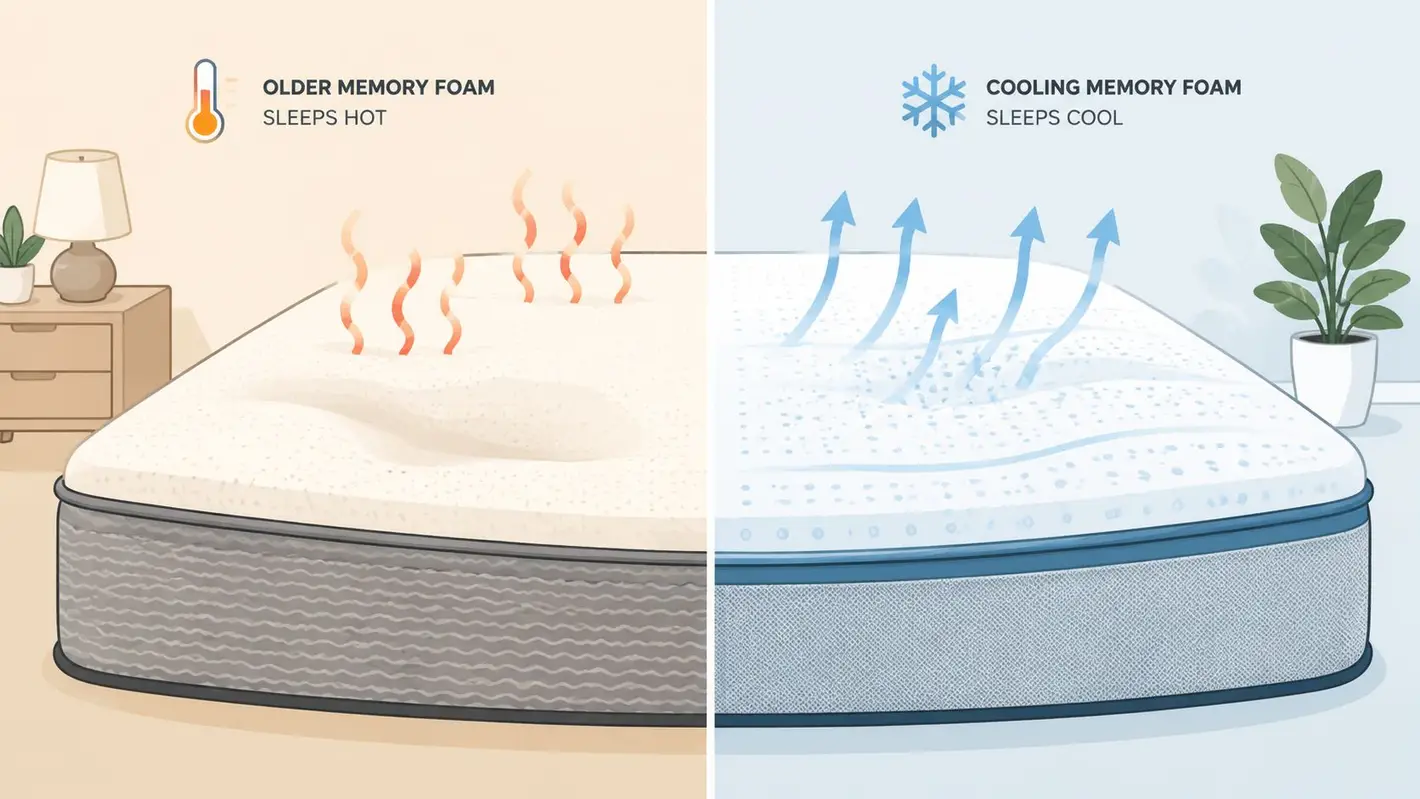
One of the oldest complaints about memory foam is that it sleeps hot. That reputation came from older, denser foams that didn't breathe as well.
Modern mattresses often address that issue with cooling gel, more open foam structures, and more breathable covers. Shoppers looking at current models from brands such as Sealy and Therapedic will often notice that the feel is different from the older all-foam beds many people remember.
The temporary new mattress smell
Another concern is the “new mattress smell.” Most shoppers notice that this fades after the mattress has time to air out.
The key point is that this is usually temporary. Opening bedding, allowing ventilation, and giving the room some airflow often helps the smell pass more quickly.
Density matters more than many guides admit
This is where many generic mattress articles fall short. Heavier sleepers need enough support underneath the comfort layer, not just softness on top.
Memory foam's pressure relief can be worsened for heavier sleepers over 230 lbs if the foam density is too low, as it lacks deep support and causes bottoming-out. High-density 5lbs+ memory foam is required to effectively distribute pressure for these individuals, according to this discussion of memory foam density and bottoming-out.
That doesn't mean memory foam is wrong for larger adults. It means the wrong foam density is wrong for them.
- Lower-density foam: May feel comfortable at first but can lack deep support.
- Higher-density foam: Usually provides a more stable, durable support feel.
- Edge support: Some all-foam beds feel softer near the perimeter, so sitting and sleeping near the edge should be tested in person.
For shoppers weighing all of those factors together, these tips for buying a new mattress can help turn general advice into a practical checklist.
Your Guynn Furniture Mattress Buying Guide
Research helps, but a mattress still has to feel right in real life. That's why in-person testing matters so much with memory foam. The material responds to the body over a little time, so a quick sit on the edge usually doesn't tell the full story.
For households in Galax, Independence, Hillsville, and the broader Southwestern Virginia and Northern North Carolina area, a showroom visit gives shoppers the chance to compare feel, firmness, and support without pressure. That matters even more for memory foam because the comfort difference often shows up after several quiet minutes, not the first five seconds.
How to test memory foam in a showroom
A useful showroom test is simple.
- Lie down in the usual sleep position. Side sleepers should test on the side. Back sleepers should stay on the back long enough to notice whether the lower body feels supported.
- Stay there for at least 10 minutes. Memory foam responds over time, so its true feel appears after a few minutes.
- Pay attention to pressure areas. Shoulders, hips, and lower back usually tell the story fastest.
- Roll and change position once or twice. The mattress should adapt without feeling stuck.
- Sit on the edge briefly. That helps reveal whether the perimeter feels stable enough for everyday use.
A mattress that feels “soft” in the first minute isn't automatically supportive. A mattress that feels “firm” in the first minute isn't automatically uncomfortable.
For shoppers who want a broader framework before visiting, this guide on how to choose a mattress can help narrow the field.
What to ask about brands and build quality
Trusted names matter, but construction matters more. In local showrooms, shoppers often compare memory foam options from Sealy and Therapedic, then match feel to sleeping style instead of chasing labels alone.
Questions worth asking include:
- What's the foam density? This affects durability and support.
- How does the cover handle airflow? Breathability can change the overall sleep feel.
- Is the mattress in stock? Immediate delivery matters for households replacing a worn-out bed.
- What does setup include? Delivery details make a difference when a mattress is heavy.
Mattresses with 3–4lb density foam last over a decade only under ideal conditions, while 5lb+ high-density foam reliably lasts 8–12 years, according to this breakdown of memory foam density and durability.
That detail matters for active families, pet owners, and anyone who wants long-term value instead of a mattress that looks tired too soon. A quality protector helps too, especially in homes with children or pets. Readers comparing options may find this guide to durable mattress protection useful as part of a complete sleep setup.
Why local shopping still helps
A local store can solve problems online photos can't. Shoppers can test mattresses the same day, compare comfort levels side by side, and ask practical questions about setup, bedroom fit, and timing.
Guynn Furniture & Mattress offers memory foam options from Sealy and Therapedic, a large in-stock selection for immediate delivery, free in-home delivery and setup within 60 miles, and a Low Price Promise that matches local competitors with a 30-day price guarantee. For shoppers planning a whole bedroom update, Debra Williams and the expert design staff can also help tie mattress comfort into the rest of the room, from bedroom furniture to finishing details. That same showroom experience often appeals to the Traditionalist who values long-standing service, the Value Seeker looking for affordable financing, and the Aspiring Remodeler who wants help visualizing the full space. Beyond mattresses, families may also shop La-Z-Boy, Ashley, and Bassett for the rest of the home.
Find Your Perfect Night's Sleep with Us
Memory foam has earned its place for good reasons. It contours differently from a traditional spring bed, can ease pressure points, helps limit motion transfer, and often creates a more settled sleep surface for the right sleeper.
Still, the most important part of mattress shopping is personal fit. One person may love a deep, cushioned memory foam feel. Another may prefer something a little firmer or more responsive. That's why a no-pressure atmosphere matters so much. Shoppers deserve room to test, compare, ask questions, and make a decision that feels right for their home.
For families across Galax, Independence, Hillsville, and the wider Southwestern Virginia and Northern North Carolina region, that kind of guidance still matters. Since 1902, local service has meant helping neighbors think beyond marketing terms and focus on comfort, support, delivery, value, and how a mattress will perform night after night.
A better bedroom doesn't always start with a complete remodel. Sometimes it starts with sleeping through the night more comfortably, waking up less sore, and finding a mattress that fits the people who use it every day.
Visit Guynn Furniture & Mattress to explore supportive sleep options in a no-pressure atmosphere. Visit our showrooms in Galax, Independence, or Hillsville to test the comfort for yourself. Schedule a consultation with our design team to start planning your dream room today. Browse our selection online at guynnfurniture.net.