Innerspring vs Hybrid Mattress: A Friendly 2026 Guide

A lot of families reach the same point at about the same time. The old mattress starts squeaking, one side feels flatter than the other, and nobody in the house agrees on what the replacement should be. One person wants the familiar bounce of springs. Another wants more cushioning. After a few minutes of reading mattress labels, it can feel like every bed uses different words for the same thing.
That confusion is common across Galax, Independence, Hillsville, and the wider Southwestern Virginia and Northern North Carolina region. Mattress shopping is personal, expensive, and easy to overthink. A family may only buy a new bed a handful of times over many years, so every choice feels bigger.
Since 1902, local shoppers have counted on a no-pressure atmosphere and straightforward help when home decisions feel complicated. For anyone sorting through the basics of how to choose a mattress, the biggest fork in the road often comes down to one question: should the next bed be an innerspring or a hybrid?
Before getting into the details, this quick side-by-side view helps.
| Feature | Innerspring mattress | Hybrid mattress |
|---|---|---|
| Main build | Coil-focused design with thin top padding | Coil support core plus thicker comfort layers |
| Feel | Firmer, bouncier, more “on top” | More cushioned, more contouring |
| Motion transfer | More noticeable | Better controlled |
| Pressure relief | Lighter cushioning | Stronger relief at shoulders and hips |
| Cooling | Very breathable | Depends on coil airflow plus foam heat retention |
| Best fit | Traditional feel, simple support, guest rooms, some back and stomach sleepers | Side sleepers, couples, sleepers wanting more cushioning |
| Long-term trade-off | Simpler build, but shorter typical lifespan | Longer typical lifespan, though foam feel can change over time |
Table of Contents
- Choosing Your Next Bed Innerspring or Hybrid
- What's Inside An Innerspring and Hybrid Mattress
- Comparing Feel Support and Performance
- The Best Mattress for Your Sleep Style and Family
- Durability Lifespan and Long-Term Value
- Find Your Perfect Match at Our Local Showrooms
- Common Questions About Innerspring and Hybrid Beds
Choosing Your Next Bed Innerspring or Hybrid
A mattress decision usually starts with a simple problem. Someone wakes up stiff. A partner feels every toss and turn. A guest room needs a dependable bed without turning the whole weekend into a research project. The true challenge isn't finding a mattress. It's figuring out which kind of comfort matches the people sleeping on it.
In the innerspring vs hybrid mattress conversation, both options can be good. They just solve different problems. An innerspring tends to feel familiar, supportive, and springy. A hybrid usually adds more cushioning and a more contouring feel across the body.
That difference matters in real homes. A retired couple in Southwestern Virginia might care most about steady support and a surface that's easy to move around on. A young family in Northern North Carolina might care more about motion control when a light sleeper shares the bed. A guest room might call for one choice, while a primary bedroom calls for another.
What usually confuses shoppers
Most confusion comes from labels that sound technical but don't say much about real sleep. Terms like support, contouring, cooling, and motion isolation only become useful when they connect to everyday questions:
- Does the bed feel firm or cushioned
- Will one sleeper feel the other person moving
- Will shoulders and hips press too hard into the surface
- Will the mattress still feel good several years from now
A helpful way to choose is to stop asking which mattress type is “better” and start asking which one fits the room, the sleeper, and the budget.
That's why a no-pressure atmosphere matters. Shoppers around Hillsville, Galax, and Independence often don't need a sales pitch. They need plain answers, time to test the bed, and someone who can explain why one mattress feels steady while another feels softer at the top.
Two good paths to better sleep
An innerspring and a hybrid aren't opposites in the dramatic sense. They're two different builds that create two different experiences.
- Innerspring works well for shoppers who like a traditional, lifted feel.
- Hybrid works well for shoppers who want more cushioning without giving up coil support.
- Either one can be the right answer when the match is based on sleep style and household needs.
What's Inside An Innerspring and Hybrid Mattress
Cutting a mattress open would answer a lot of showroom questions in a hurry. The materials under the cover decide how quickly you feel the coils, how much cushioning you get first, and how the bed is likely to age after years of real use.
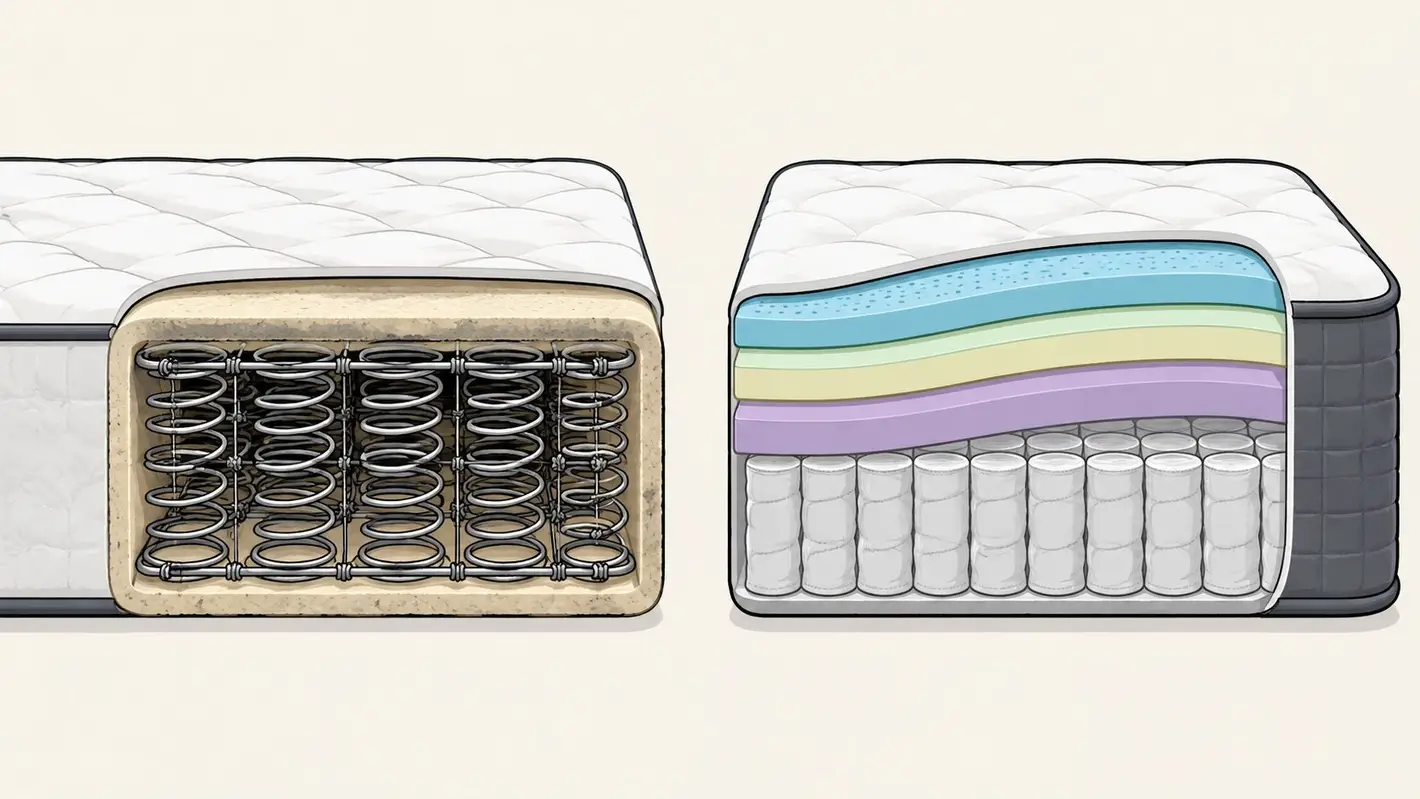
The clearest dividing line is simple. A traditional innerspring usually has a thinner comfort section over the coils, while a true hybrid adds a deeper comfort layer, often at least 2 inches, above the support core. If you want a fuller explanation of the layers, this guide to what a hybrid mattress is lays it out in plain language.
How an innerspring is built
In an innerspring, the coil unit does most of the heavy lifting. The upper padding is usually modest, so your body meets the spring system sooner.
That is why many innersprings feel more lifted, springy, and straightforward. A lot of shoppers describe that sensation as sleeping on top of the mattress rather than settling down into it.
This build also helps explain why innersprings often sleep cooler at first touch. There is less foam near the surface to hold warmth. The trade-off is that thinner comfort layers usually do less to cushion sharper pressure at the shoulders, hips, and knees.
How a hybrid is built
A hybrid still uses coils for support, but the top half changes the experience quite a bit. Above the springs, you usually get thicker layers of foam, latex, or other cushioning materials.
Those layers act like the suspension on a truck traveling a back road in Southwest Virginia. The coil system underneath handles the main support, while the upper layers soften the bumps before you feel them fully. Side sleepers often notice this right away because the mattress has more give around the shoulders and hips.
Many hybrids also use pocketed coils, which can respond more independently across the mattress. That construction changes the feel, but the comfort layers are the bigger story in long-term ownership.
Why the comfort layers matter so much
The top layers are where many mattress myths begin.
A lot of shoppers hear that hybrid means cooler and longer-lasting by default. Sometimes that is true. Sometimes it is only partly true. A hybrid can sleep cooler than an all-foam bed because coils allow more airflow, but thicker foam near the surface can still trap heat around the body, especially for sleepers who already run warm or keep the house a little warmer through the winter.
The same caution applies to durability. More cushioning can feel wonderful in the store, but foam is usually the first material to show wear. As those upper layers soften, a hybrid may lose some of its original feel even if the coil unit underneath still has plenty of support left. An innerspring with less foam may feel simpler on day one, yet that simpler build can mean fewer soft materials near the top to compress over time.
Here is the practical takeaway for families comparing beds in person:
- Less comfort material usually means a more direct, buoyant feel and fewer foam-related heat concerns
- More comfort material usually means better pressure relief at first, but the foam quality matters a lot for long-term shape and comfort
- Coils alone do not decide durability because the upper layers often wear out before the springs do
- Cooling claims need context because airflow from coils helps, but foam thickness and foam type still affect heat retention
A mattress works a lot like a sofa cushion over a strong frame. The frame can still be solid years later, but if the cushion above it breaks down, the seat no longer feels the way it did when it was new.
That is why model names can be less helpful than layer details. When shoppers in our area test beds in person, one of the smartest questions to ask is not just "How does this feel today?" but "What materials in the top few inches will I be sleeping on every night?"
Comparing Feel Support and Performance
Construction matters because it changes what happens through the night. Consequently, the innerspring vs hybrid mattress choice stops being abstract and starts showing up in comfort, movement, and temperature.

Pressure relief
Hybrids usually feel gentler at the surface. The thicker comfort layers spread body weight more evenly, which can reduce that sharp push at the shoulders or hips.
Innersprings often feel firmer and more straightforward. Some sleepers like that clean, lifted sensation, but others notice pressure points sooner, especially if they sleep on one side for long stretches.
Motion transfer
Motion transfer is a big dividing line for couples. If one person changes position often, gets up earlier, or has a lighter sleep pattern, the mattress build matters.
A classic innerspring tends to pass more movement across the bed. A hybrid usually keeps more of that movement contained because the comfort layers and pocketed coils absorb more of the disturbance.
Couples who complain that “every little movement wakes the other person” often prefer the quieter feel of a hybrid.
Edge support
This category depends on the exact model, but both types can offer solid edge support. In everyday terms, edge support matters for people who sit on the side of the bed while dressing, sleep close to the perimeter, or want the mattress to feel usable from side to side.
Innersprings often feel stable at the edge because of their spring-forward build. Hybrids can also feel supportive there, especially when the coil system is strong enough to hold the comfort layers in check.
Temperature regulation
Cooling is where a lot of mattress marketing gets fuzzy. Many shoppers hear that hybrids sleep cooler and stop there. It's more nuanced than that.
According to Sleep World's guide to hybrid vs innerspring mattresses, a common 2 to 3 inch foam comfort layer in a hybrid can raise surface temperature by 2 to 3°F compared with the thinner padding on traditional innersprings. The open coil structure in innersprings naturally lets heat escape more easily.
Hybrids can improve airflow through their coil systems, but thicker foam can still trap more warmth at the surface than many hot sleepers expect.
That doesn't mean every hybrid sleeps hot. It means hot sleepers shouldn't assume “hybrid” automatically means “cooler.” In warm bedrooms across Southwestern Virginia, that distinction can matter a lot.
Quick performance snapshot
| Performance area | Innerspring | Hybrid |
|---|---|---|
| Surface feel | Firmer and springier | More cushioned and adaptive |
| Pressure relief | More limited | Stronger overall |
| Motion control | More movement felt | Better movement control |
| Sleeping hot | Often a stronger fit | Can vary because of foam layers |
For anyone sorting through firmness options, this mattress firmness guide can help connect these performance differences to personal comfort preferences.
The Best Mattress for Your Sleep Style and Family
The right mattress usually becomes clear once the sleeper, not the product label, takes center stage. A bed for a side sleeper isn't always the right bed for a stomach sleeper. A mattress for one adult may not work nearly as well for a couple, a senior, or a child's room.
For Side Back and Stomach Sleepers
Sleep position changes what the body asks from the mattress.
Side sleepers usually need more cushioning where the body presses hardest into the surface. As noted earlier, hybrids are often the stronger fit here because their foam layers contour more effectively. Vaya notes that a hybrid's design provides superior pressure relief at the shoulders and hips, which makes it an excellent choice for side sleepers. Back and stomach sleepers, on the other hand, sometimes prefer the flatter, firmer feel of an innerspring.
A simple way to think about it:
- Side sleepers often lean toward hybrid comfort.
- Back sleepers can be happy on either type, depending on firmness preference.
- Stomach sleepers often like the firmer, lifted feel of an innerspring.
For Couples
Two sleepers bring two body types, two schedules, and usually two different ideas of comfort. That's why motion isolation becomes so important.
Hybrids usually make shared sleep easier because they contain movement better. Vaya also notes that individually wrapped coils in a hybrid offer significantly enhanced motion isolation, which is ideal for couples who don't want to be disturbed by a partner's movements.
That doesn't mean every couple needs a hybrid. Some pairs still prefer the buoyant feel of a traditional spring mattress. But if one sleeper wakes easily, the hybrid category deserves a close look.
If one person says the bed feels lively and the other says it feels disruptive, they're often describing the same innerspring trait from two different perspectives.
For Seniors and Those with Aches and Pains
Many older shoppers care less about trends and more about dependable comfort. They often want a mattress that feels supportive, easy to get in and out of, and consistent through the night.
A hybrid can be a better fit when pressure at the shoulders, hips, or lower back is the main complaint. An innerspring can be a good fit when the sleeper strongly prefers a firmer top and easier movement on the surface. For seniors, the question often isn't which category is more modern. It's which one still feels supportive after several hours in bed, not just the first minute in the showroom.
Allergy concerns can also shape the decision, especially in homes with pets, seasonal pollen, or older ductwork. Families dealing with those issues may find this guide on sleeping better with allergies useful alongside mattress shopping.
For Families with Kids
Kids' rooms, bunk rooms, and guest rooms call for practical thinking. Durability matters. So does value. And not every room needs the same level of contouring comfort as the primary bedroom.
In many family homes, an innerspring makes sense for a child's room or a guest bed because it offers a familiar feel and a more straightforward build. A hybrid may be more appealing for a teen athlete, a parent with shoulder pressure, or a main bedroom where sleep quality takes priority.
For households comparing options by sleep position, this mattress guide by sleeping style can narrow the choice without adding more jargon.
Durability Lifespan and Long-Term Value
Durability is where many guides oversimplify the innerspring vs hybrid mattress decision. They may say hybrids last longer and leave it at that. The actual answer is more helpful, and a little more nuanced.
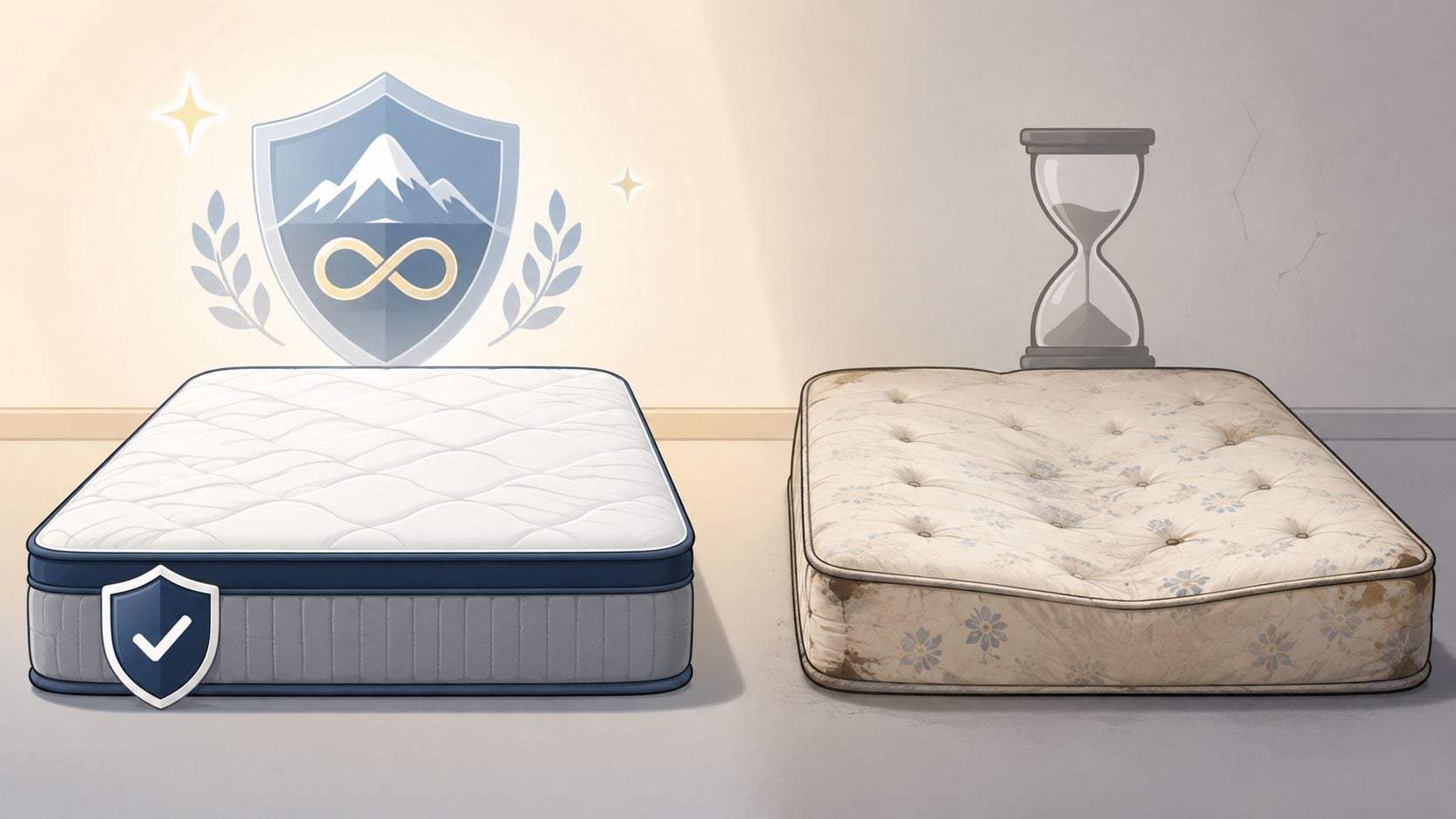
According to Saatva's discussion of innerspring versus hybrid construction, hybrid mattresses can last 10+ years, compared with 6 to 8 years for innersprings. That sounds simple enough, but the same source points out the trade-off many shoppers miss. The steel coils may remain supportive while the foam comfort layers soften faster, so a hybrid can still be functional at year 8 while feeling less supportive than it did earlier.
The durability myth that confuses shoppers
Some shoppers hear “longer lifespan” and assume the mattress will feel the same all the way through that life. That isn't always how materials age.
With a hybrid, the foam near the top often changes first. The mattress may still hold weight and remain usable, but the surface comfort can feel different over time. For a sleeper who values deep cushioning, that may be acceptable. For someone who wants sustained firmness year after year, it's a bigger concern.
A mattress can still be usable before it still feels ideal. That difference matters when comparing long-term value.
What value really means
Value isn't only the price on the tag. It's the mix of comfort, longevity, and how well the mattress matches the sleeper from day one through later years.
An innerspring often appeals to the value seeker because the build is simpler and the feel is familiar. A hybrid often appeals to the traditionalist who wants a bed to last longer, but only if that shopper understands that the comfort layer may change before the coil system does.
For local families balancing comfort with budget, how long a mattress should last is a useful starting point before deciding how much to invest.
Price confidence matters too
When price enters the conversation, transparency matters just as much as comfort. Guynn Furniture & Mattress offers innerspring and hybrid options from brands such as Sealy and Therapedic, along with a local low price promise that matches local competitors and includes a 30-day price guarantee. Flexible financing can also make a comfort upgrade more manageable for households that want the right mattress without paying for everything at once.
Find Your Perfect Match at Our Local Showrooms
Online research can narrow the field, but mattresses are still one of the few home purchases that make more sense in person. Two beds can sound similar on paper and feel completely different once someone lies down.
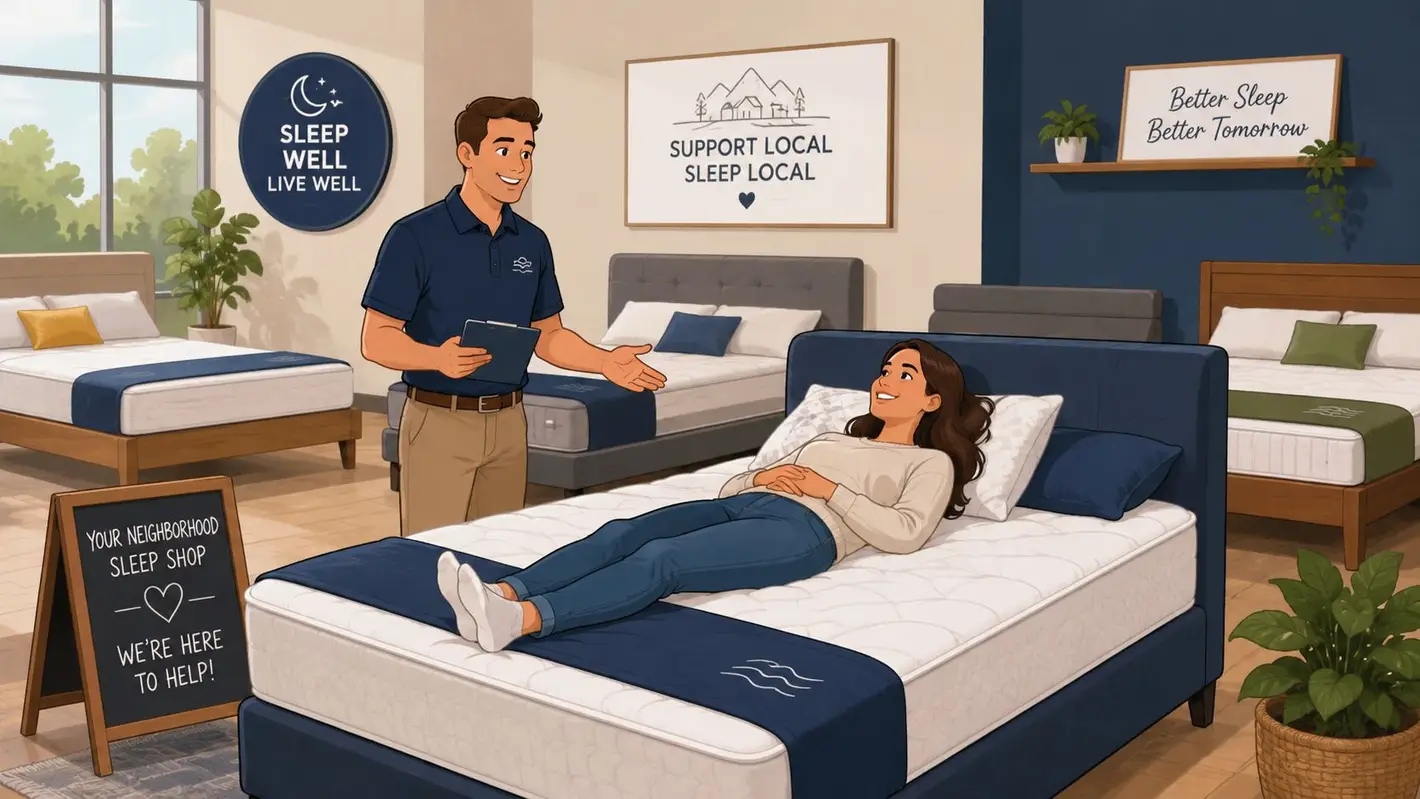
Shoppers in Galax, Independence, Hillsville, and the surrounding Southwestern Virginia and Northern North Carolina communities usually make better decisions when they test both categories back to back. An innerspring may feel just right the second someone sits down. A hybrid may not reveal its advantages until that person spends several minutes on a shoulder or hip.
How to test a mattress in person
A quick sit on the edge isn't enough. A better approach looks like this:
Lie down in the usual sleep position
Side sleepers should spend time on one side. Back sleepers should settle in flat. The goal is to feel what the body feels at home, not just what it feels while sitting upright.Stay there for several minutes
Pressure points and heat build gradually. A mattress that feels fine for a few seconds may feel different once the body fully relaxes.Notice movement and ease of repositioning
Roll once or twice. Sit on the edge. Shift from side to back. These small movements often reveal whether the bed feels trapped, springy, steady, or disruptive.
What to compare while shopping
Local shoppers often compare these details first:
- Comfort at the shoulders and hips for side sleepers
- Surface firmness for back and stomach sleepers
- Motion control for couples
- Temperature feel for warm bedrooms
- Edge stability for seniors or anyone who sits on the bed often
Trusted brands like Sealy and Therapedic give shoppers a solid range of both traditional and more cushioned builds. For whole-room planning, expert design staff, including Debra Williams, can also help coordinate the bedroom around the mattress choice, especially for remodelers trying to match storage, scale, and style.
Local service that keeps the process simple
A big practical advantage of shopping locally is what happens after the purchase.
- Large in-stock selection means many shoppers don't have to wait on long online fulfillment windows.
- Free in-home delivery and setup within 60 miles makes the upgrade easier across much of the region.
- A no-pressure atmosphere gives families room to test, compare, and think it over without being rushed.
Common Questions About Innerspring and Hybrid Beds
How can a shopper tell if a mattress is a true hybrid
The easiest way to tell is to look at the build, not the label.
A true hybrid usually pairs a coil support core with a thicker comfort section on top, often made with foam, latex, or a mix of cushioning materials. A traditional innerspring also uses coils, but the padding layer is usually thinner and the feel is more directly tied to the springs underneath. If two beds look similar from the side, ask to see the spec card. That small detail often clears up the confusion quickly.
This distinction matters for more than marketing. Those thicker foam layers can create a softer, more pressure-relieving feel at first, but they also play a big role in how the mattress sleeps over time. In many homes around Southwestern Virginia, that means balancing comfort on day one with heat retention and wear patterns a few years down the road.
Can an old box spring be used with a new mattress
Sometimes, but only if the foundation is still flat, supportive, and approved for that mattress model.
Older box springs were built for older mattress designs. Many newer innerspring and hybrid beds do better on a solid platform, closely spaced slats, or a matching foundation. If the support underneath sags even a little, the mattress above it can start to feel uneven, and the comfort layers may break down faster. That is especially important with hybrids, since foam can take on dips more easily when the base under it is not level.
Store staff can usually confirm what foundation works with the mattress you are considering.
Is there a break-in period for a new mattress
Yes, and it surprises plenty of shoppers.
New foams and quilted layers often relax a bit in the first few weeks. At the same time, your body is adjusting to a new sleep surface, especially if you have been sleeping on an older mattress that had already formed soft spots. That short adjustment period is normal.
One helpful reminder. Break-in should mean a slight softening, not a fast loss of support. If a mattress feels dramatically different too soon, the materials, especially thicker foam layers in some hybrids, deserve a closer look.
Which mattress works better for a guest room
A guest room usually does best with the mattress that fits the widest range of sleepers.
An innerspring is often a practical choice because the feel is familiar, easier to get in and out of, and usually more budget-friendly for a room that is not used every night. A hybrid can be a good fit if guests stay often, need more cushioning at the shoulders and hips, or prefer a quieter surface with less bounce.
For many families, the decision comes down to frequency. A few holiday visits each year may not call for the extra foam and cost of a hybrid. A guest room that doubles as a regular bedroom might.
For families across Galax, Independence, Hillsville, and the wider Southwestern Virginia and Northern North Carolina region, the right mattress is the one that fits real sleep habits, comfort preferences, and budget. Guynn Furniture & Mattress offers a no-pressure atmosphere, trusted brands including La-Z-Boy, Ashley, Bassett, Sealy, and Therapedic, a large in-stock selection for immediate delivery, free in-home delivery and setup within 60 miles, and a low price promise with a 30-day price guarantee. Visit our showrooms in Galax, Independence, or Hillsville to test the comfort for yourself. Schedule a consultation with our design team to start planning your dream room today. Browse our selection online at guynnfurniture.net.